
Where can I buy artificial grass?
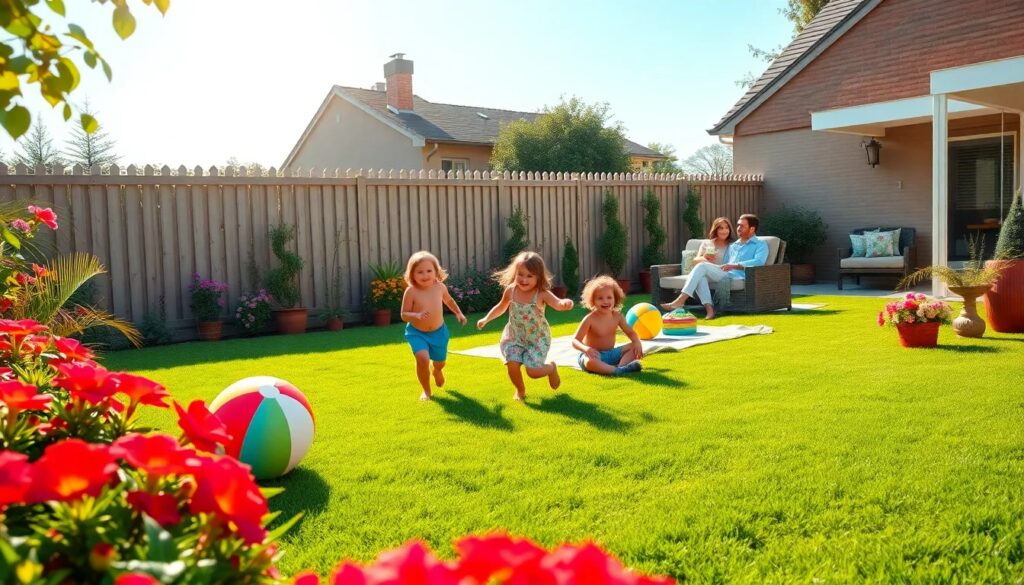
Artificial grass has become a popular choice for homeowners and businesses looking for a low-maintenance and visually appealing landscaping solution. This guide will help you navigate the options available, including where to buy artificial grass, its benefits, installation tips, and more.
From residential lawns to commercial spaces, the versatility of artificial turf makes it an attractive alternative to natural grass. With numerous suppliers and options available, you will find the perfect fit for your project. Let's dive into the details!
Where can I buy artificial grass?
Finding the right place to purchase artificial grass can be overwhelming due to the numerous options available. Major retailers like Home Depot and Lowe's offer a variety of artificial turf products suitable for different needs and budgets. Online suppliers such as Turf Factory Direct provide competitive pricing and a wide selection.
Local landscape supply stores may also carry artificial grass, allowing you to see samples in person before making a decision. Be sure to ask about warranties and return policies to ensure you're making a sound investment.
Additionally, consider searching for specialty stores that focus on outdoor solutions. They often provide expert advice and extensive product knowledge. Overall, the question of where can I buy artificial grass is easily answered with a bit of research into local and online options.
What are the benefits of using artificial grass for landscaping?
Artificial grass offers numerous advantages that make it an appealing choice for landscaping. One of the most significant benefits is its low maintenance requirements. Unlike natural grass, it doesn’t need mowing, watering, or fertilizing, saving you time and money.
Another key benefit is its durability. High-quality artificial turf can withstand heavy foot traffic, making it ideal for residential lawns, sports fields, and pet areas. This durability extends the lifespan of your landscaping, providing a long-term solution without the hassle of regular upkeep.
- Water conservation: Artificial grass requires no irrigation, significantly reducing water usage.
- Allergy-friendly: It eliminates pollen and other allergens often found in natural grass.
- Consistent appearance: Enjoy a lush, green lawn year-round without the seasonal browning or patchiness of natural grass.
Overall, the transition to synthetic grass provides not only aesthetic benefits but also practical solutions for modern landscaping challenges.
How to choose the right type of artificial turf for your needs?
Choosing the right type of artificial turf depends on several factors, including the intended use, foot traffic levels, and your budget. Start by identifying where you plan to install the turf—whether it's for a residential lawn, a pet area, or a commercial space.
Next, consider the texture and appearance of the turf. Different products offer varying blade lengths, colors, and densities. For example, pet turf is designed specifically for easy cleaning and durability, while landscape turf may focus on aesthetics and comfort.
- Assess your usage requirements.
- Evaluate the aesthetic preferences you have for your space.
- Determine your budget to narrow down suitable options.
By following these steps, you can confidently select the best artificial grass that meets your requirements while ensuring your outdoor space looks its best.
What factors affect the cost of artificial turf installation?
The cost of artificial turf installation can vary significantly based on several factors. One of the primary considerations is the quality of the turf itself. Higher-end products may have a steeper upfront cost but can save money in the long run due to their durability and low maintenance.
Additionally, the size of the area to be covered impacts the overall cost. Larger installations require more material and labor, increasing expenses. Local labor rates and the complexity of the installation process—such as grading, drainage, and adding infill—also play a role.
Other factors to keep in mind include:
- Preparation requirements of the installation site.
- Accessibility of the area for equipment and materials.
- Additional features, such as landscaping or edging, that may be needed.
Understanding these factors will help you budget effectively and ensure a successful installation.
Where to find wholesale artificial grass options?
If you're looking for affordable options, seeking wholesale artificial grass suppliers can lead to significant savings. Many manufacturers offer wholesale pricing directly to consumers or contractors, allowing you to purchase in bulk.
Online resources and marketplaces can be excellent places to find wholesale deals. Websites like Alibaba or specific artificial grass manufacturer sites often have sections dedicated to wholesale purchases.
Local suppliers and distributors may also provide wholesale options, particularly if you are purchasing in large quantities. Don’t hesitate to reach out to them for quotes and pricing information.
How to install artificial grass effectively?
Installing artificial grass can seem daunting, but with proper preparation and guidance, it can be a straightforward process. Start by thoroughly cleaning the area where the turf will be laid. Remove any existing grass, weeds, or debris.
Next, ensure proper drainage by grading the soil and creating a slight slope. This will help water runoff and prevent pooling. After preparing the base, lay down a weed barrier fabric before installing the turf.
Once your base is ready, roll out the turf and cut it to fit. Use adhesive or nails to secure the edges. Lastly, add infill material, which helps keep the grass blades upright and provides cushioning.
- Prepare the base for drainage.
- Secure the turf edges with adhesive or nails.
- Add infill material for stability.
When installed correctly, artificial grass can enhance your outdoor space and provide years of enjoyment with minimal maintenance.
What maintenance is required for artificial grass?
Despite its low maintenance requirements, artificial grass still needs some care to keep it looking its best. Regular brushing helps maintain the blades and prevent matting, especially in high-traffic areas.
Occasionally, you may need to rinse the turf with water to remove debris, dust, or pet waste. This also helps eliminate odors. Additionally, inspect the turf regularly for any damage, such as tears or loose seams, and repair them promptly to avoid further issues.
- Brush the grass monthly to keep it upright.
- Rinse with water as needed for cleanliness.
- Inspect and repair any damage immediately.
With these simple maintenance tips, your artificial grass can remain vibrant and functional for many years.
Related questions about buying artificial grass
How much roughly does artificial grass cost?
The cost of artificial grass can vary greatly depending on quality and type. Generally, homeowners can expect to pay between $2 to $8 per square foot for the turf itself. Installation costs typically add another $3 to $5 per square foot, leading to an average total of $5 to $13 per square foot.
It's essential to consider the long-term savings as well. While the initial investment may seem high, the reduced water usage and maintenance costs can lead to significant savings over time.
What do you put under artificial grass?
Underneath artificial grass, a solid base is crucial for ensuring proper drainage and stability. Most installations will include a layer of compacted gravel or crushed stone to provide a sturdy foundation. A weed barrier fabric is also recommended to prevent weeds from growing through the turf.
This base helps with drainage, keeping the surface dry and reducing the risk of water pooling, which can damage the turf over time.
What is the best time of year to lay artificial grass?
The best time to install artificial grass is during mild weather conditions, typically in spring or fall. Avoid extreme temperatures, either hot or cold, as they can affect the installation process and the performance of the turf.
These seasons provide the ideal conditions for adhesive and infill materials to set properly, ensuring a successful installation.
What is the downside to artificial turf?
While artificial turf has many benefits, it also has some downsides. One common concern is the heat retention, as synthetic grass can become hot under direct sunlight, making it uncomfortable for pets and children.
Additionally, the initial cost is higher than natural grass, which can deter some homeowners. However, the long-term savings on maintenance and water usage often outweigh this initial investment.
Understanding both the pros and cons will help you make an informed decision about whether artificial grass is the right choice for your landscaping needs.