
Best rated artificial grass options for your home
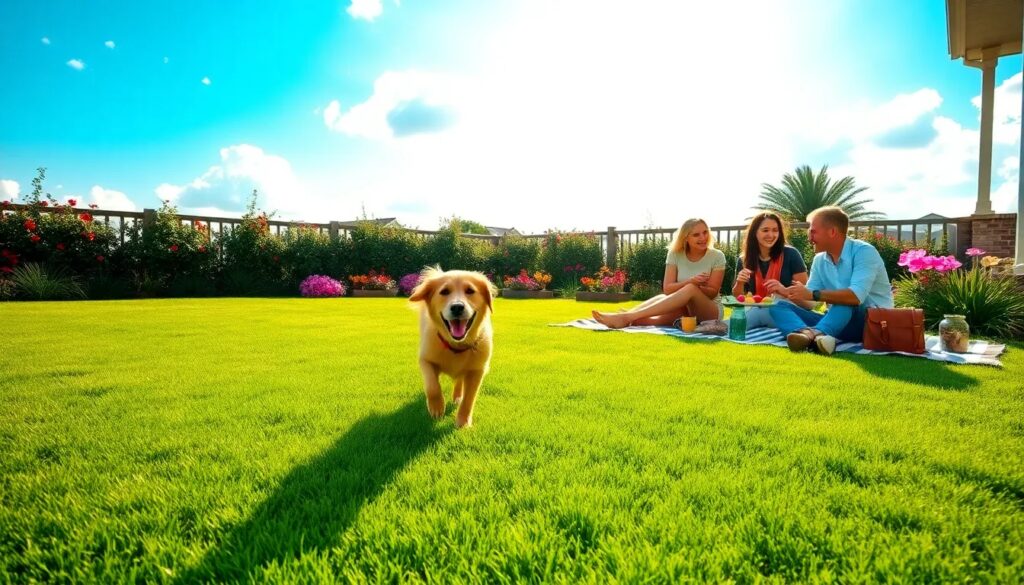
Artificial grass has become a popular choice among homeowners, offering a low-maintenance and eco-friendly alternative to natural lawns. With advancements in technology, the best rated artificial grass options now closely resemble the look and feel of real grass.
In this article, we will explore various aspects of artificial grass, including how to choose the best option for your needs, the benefits it offers, and much more.
What is the most realistic artificial grass?
The most realistic artificial grass mimics the look, feel, and color of natural grass. Innovations in manufacturing techniques have led to the creation of blades that closely resemble real grass, enhancing the overall aesthetic. Factors such as color variability, blade shape, and height contribute to its lifelike appearance.
When selecting the most realistic artificial grass, consider the following:
- Blade shape: Different shapes can create a more natural look.
- Color: Look for grass that features multiple shades to replicate natural variations.
- Density: A dense turf can provide a lush appearance.
- Infill material: The right infill can enhance softness and realism.
Furthermore, brands like DuPont’s Forever Lawn are renowned for their high-quality products that stand out in terms of realism. Their turf can withstand various weather conditions while maintaining an appealing look.
What are the best rated artificial grass options for dogs?
When it comes to pets, especially dogs, selecting the best rated artificial grass is essential for durability and comfort. The ideal options are designed to be pet-friendly, resistant to wear and tear, and easy to clean.
Some of the top-rated artificial grass choices for dogs include:
- Athletic Turf: Highly durable and resistant to heavy foot traffic.
- Pet Turf: Specifically made for pets, featuring antimicrobial infill to minimize odors.
- Comfort Turf: Soft and plush, perfect for pets to lounge on.
In addition, it’s crucial to ensure that the artificial grass has adequate drainage systems to avoid water accumulation, which can lead to unpleasant odors. Using suitable infill materials can also help in maintaining hygiene.
How to choose the best artificial grass for hot climates?
Selecting the best rated artificial grass for hot climates involves considering materials that can withstand high temperatures without fading. Here are some tips to guide your decision:
Firstly, look for UV-resistant grass that can maintain its color under intense sunlight. This is particularly important in regions with extreme heat.
Secondly, choose products with high heat deflection properties to ensure the turf stays cool to the touch. Some brands offer specialized turf for hot climates that includes cooling technology.
- Consider the thickness of the grass; thicker blades may retain heat more than thinner options.
- Infill choices can also affect heat retention. Opt for lighter colored infills.
- Look for warranties that indicate durability against sun exposure.
With the right selection, artificial grass can remain vibrant and functional even in the hottest environments, providing a beautiful lawn without the hassle of maintenance.
What factors contribute to a realistic artificial grass look?
Several factors contribute to achieving a realistic appearance with artificial grass. Understanding these elements can help you make an informed choice when selecting the best rated artificial grass.
One of the most significant factors is the blade shape. Manufacturers design blades in various shapes to replicate those found in natural grass. Additionally, the color mixture is essential; a blend of shades creates depth and realism.
The density and height of the grass blades also play crucial roles. A denser product usually looks more lush and inviting.
- Infill materials can add to the softness and weight of the turf, contributing to its feel.
- Backing materials that allow for drainage help maintain a fresh look.
- Regular maintenance, such as brushing and cleaning, can keep the turf looking its best.
By considering these factors, homeowners can select artificial grass that not only looks realistic but also performs well over time.
What are the most popular artificial grass brands?
The market for artificial grass has expanded, leading to various brands known for their quality and performance. Here are some of the most popular options:
- Forever Lawn: Well-known for their durable and realistic products.
- Synlawn: Offers a variety of eco-friendly options suitable for both residential and commercial use.
- Pet Turf: Specializes in grass designed specifically for pet owners.
Each of these brands provides unique benefits and features depending on your needs. When researching, consider reading reviews and testimonials to gauge how well each brand performs in real-world situations.
How to ensure proper installation of artificial grass?
Proper installation is crucial to maximizing the lifespan and appearance of artificial grass. Here are some steps to follow:
Firstly, preparation of the area is vital. Ensure the ground is level and free of debris. If necessary, excavate the area to allow for proper drainage. A solid base is essential for preventing uneven surfaces.
Secondly, use high-quality adhesives and infill materials during the installation process. This contributes to the grass’s stability and overall look.
- Consider hiring professional installers for the best results.
- Follow manufacturer guidelines for cutting and joining sections of turf.
- Regularly check for any areas that may need adjustment after installation.
Investing time and resources into proper installation will ensure your artificial grass remains attractive and functional for years to come.
What are the benefits of using artificial grass?
Using artificial grass offers numerous advantages. One of the key benefits is its low-maintenance nature. Homeowners can enjoy a beautiful lawn without the need for regular mowing, watering, or fertilizing. This is especially beneficial in regions facing water shortages.
Additionally, artificial grass is environmentally friendly. It eliminates the need for harmful pesticides and herbicides, contributing positively to the ecosystem.
- Durability: Artificial grass can withstand heavy foot traffic and adverse weather conditions.
- Cost-effective: While the initial investment may be higher, the long-term savings on maintenance can be significant.
- Aesthetic appeal: With various styles and colors available, it is easy to find a grass option that matches your home.
Overall, choosing artificial grass can enhance your outdoor space while providing practical benefits.
Related questions about artificial grass options
How can you tell if artificial grass is good quality?
Good quality artificial grass can be identified by several key characteristics. Look for a dense pile with varied blade shapes and colors. Quality products often come with longer warranties, indicating the manufacturer’s confidence in their durability.
Additionally, check for UV resistance, which helps maintain color and integrity under sunlight. A proper drainage system is also a sign of quality, as it prevents water pooling and odors.
What thickness of artificial grass is best?
The thickness of artificial grass can vary based on its intended use. For residential lawns, a thickness of around 30mm to 40mm is typically recommended for a lush, comfortable feel. Thicker grass may be better for high-traffic areas, as it can withstand more wear and tear.
Always consider the type of activities that will take place on the grass. For example, if you have pets or children, a thicker option may be necessary to ensure durability.
What is the downside of artificial grass?
Despite its many benefits, artificial grass does have some downsides. One of the main concerns is heat retention; in very sunny climates, the turf can become hot to the touch. Maintenance is still required, such as brushing and cleaning, to maintain its appearance.
Some individuals may also have concerns about environmental impacts, as production involves synthetic materials. However, advancements in eco-friendly options are improving this aspect.
Why are people getting rid of artificial grass?
Some homeowners choose to remove artificial grass for various reasons, including dissatisfaction with its appearance over time or challenges with maintenance. In some cases, artificial grass may not perform well in specific climates, leading to fading or wear.
Additionally, changing preferences towards more organic landscaping solutions can motivate individuals to opt for natural grass alternatives. It's essential to weigh the pros and cons when considering the installation of artificial grass.