
Difference between turf and artificial grass
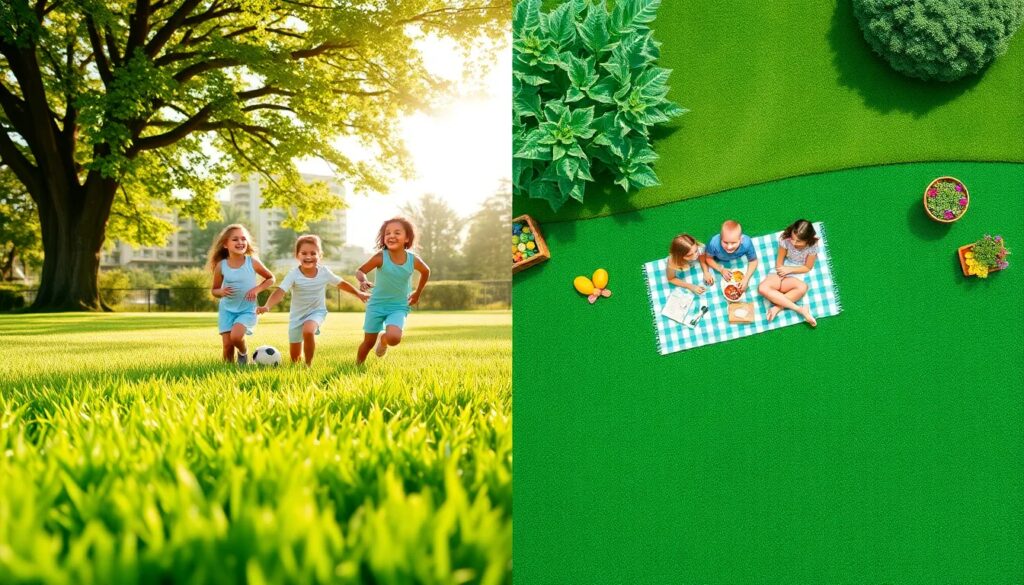
As homeowners and sports enthusiasts look for sustainable and low-maintenance options, understanding the difference between turf and artificial grass has become essential. Both options offer unique benefits and applications, making the right choice dependent on specific needs.
This article delves into the distinctions between these two popular landscaping solutions, their advantages, and the best uses for each.
What is the difference between turf and artificial grass?
The difference between turf and artificial grass primarily lies in their materials and intended applications. Artificial grass typically refers to a soft, grass-like surface made from synthetic fibers, designed primarily for aesthetics and low-maintenance landscaping. In contrast, artificial turf is often made from more durable materials, intended for high-traffic areas like sports fields.
Artificial grass is often characterized by its lush appearance and comfort, making it a popular choice for residential lawns, dog parks, and pool areas. On the other hand, turf is engineered to withstand heavy wear, making it ideal for sports settings, where performance and safety are crucial.
Both surfaces can replicate the look of natural grass, but their construction and performance characteristics differ significantly. Understanding these distinctions helps in making an informed choice based on the intended use and environmental considerations.
What are the advantages of artificial grass?
Artificial grass offers several advantages that make it appealing for homeowners and commercial spaces alike. Here are some notable benefits:
- Low maintenance: Artificial grass does not require watering, mowing, or fertilizing, significantly reducing upkeep costs.
- Water-efficient: It conserves water by eliminating the need for irrigation, making it an environmentally friendly option.
- Allergy-friendly: As it is composed of synthetic materials, it limits the presence of pollen and other allergens, creating a more comfortable environment.
- Durability: With resistance to fading and wear, artificial grass maintains its appearance over time, making it a long-lasting investment.
Additionally, its versatility allows it to be used in various applications, from residential landscaping to commercial settings. This adaptability makes it suitable for homeowners looking to enhance their outdoor spaces without the hassle of traditional grass.
How does artificial turf perform in sports settings?
Artificial turf is designed for performance, making it the top choice for sports fields, stadiums, and other athletic facilities. Its construction typically includes a backing layer, infill materials, and durable synthetic fibers, which work together to provide a consistent playing surface.
One critical aspect of turf is its ability to handle heavy traffic without significant degradation. Athletes appreciate the performance aspects of turf, such as traction, shock absorption, and injury prevention, which are vital in sports settings. Additionally, turf can be used in various weather conditions, allowing for year-round play.
Moreover, the infill materials used in turf play a crucial role in the performance of the surface. They provide cushioning and stability, ultimately enhancing the safety and playability of the field. This makes artificial turf an ideal choice for sports like soccer and football, where durability and performance are paramount.
What are the cost differences between turf and artificial grass?
When considering the difference between turf and artificial grass cost, various factors come into play. Initial installation costs for turf are generally higher due to its complex construction and the need for professional installation. However, this upfront investment can be offset by the lower maintenance costs over time.
In contrast, artificial grass may have a lower initial cost but requires more frequent upkeep, including cleaning and occasional replacement of worn-out sections. It's essential to evaluate the long-term financial implications when deciding between the two.
Some factors to consider include:
- Initial installation costs
- Maintenance requirements
- Longevity and durability
- Water conservation benefits
Ultimately, the cost-effectiveness of either option will depend on the specific circumstances and intended use.
Is artificial grass a better option for residential areas?
Artificial grass is often regarded as a better option for residential areas due to its numerous benefits. Homeowners can enjoy a beautiful, green lawn year-round without the hassle of traditional grass maintenance. Its low water usage also aligns with sustainable living practices, making it an appealing choice in drought-prone regions.
Furthermore, artificial grass provides a safe and clean play area for children and pets. Since it does not require chemicals for maintenance, it creates a healthier environment for families.
In residential settings, the aesthetic value of artificial grass plays a significant role. Homeowners can achieve a lush, green look without the inconsistent growth patterns of natural grass, ensuring a consistently appealing landscape.
What should you consider when choosing between turf and artificial grass?
When deciding between turf and artificial grass, several factors should be taken into account:
- Intended use: Determine whether the area will be used for sports or leisure activities, as this will significantly influence your choice.
- Budget: Evaluate both initial costs and long-term maintenance expenses to see which option aligns better with your financial goals.
- Climate: Consider your local weather conditions, as some surfaces perform better in specific climates.
- Installation: Assess whether you will install the surface yourself or hire professionals, as this can impact overall costs.
Making an informed choice involves weighing these factors carefully. Understanding your needs and the specific benefits of each option will guide you to the right decision.
Questions related to the difference between turf and artificial grass
Is artificial grass better than turf?
The answer to whether artificial grass is better than turf depends on the intended use. For aesthetic purposes and residential landscaping, artificial grass may be the better option due to its soft texture and low maintenance needs. However, if the primary purpose is for sports or high-traffic areas, then turf is often superior because of its durability and performance characteristics.
Ultimately, it's essential to consider your specific requirements and how each option meets those needs. While artificial grass excels in comfort and aesthetics, turf outperforms in terms of longevity and resilience in rigorous environments.
Is it cheaper to lay turf or artificial grass?
Typically, the initial cost of laying turf is higher than that of artificial grass due to the complexity of installation and the materials used. However, when considering long-term costs, including maintenance, watering, and upkeep, artificial grass can be more economical over time. This makes it a more viable option for homeowners looking to save money in the long run.
It's crucial to analyze both the short-term and long-term financial implications to determine the most cost-effective choice for your specific situation.
Are turf shoes better than artificial grass?
The choice between turf shoes and those designed for artificial grass varies based on the playing surface. Turf shoes tend to have shorter, rubber studs that provide traction on turf fields, while artificial grass shoes may have slightly longer studs to accommodate the softer texture of artificial grass.
Using the appropriate footwear can enhance performance and safety during play. Therefore, it is essential to select shoes designed specifically for the type of surface being used to ensure optimal grip and comfort.
What are the negatives of artificial turf?
While there are many benefits to artificial turf, there are also some drawbacks to consider. One notable concern is heat retention; artificial turf can become significantly hotter than natural grass, which may affect player comfort during warm weather.
Additionally, some synthetic materials used in turf can raise environmental concerns, particularly regarding their impact on local ecosystems. Lastly, the initial installation can be costly, which may deter some homeowners. Balancing these negatives with the advantages is crucial before making a choice.