
Types of artificial grass: a complete overview
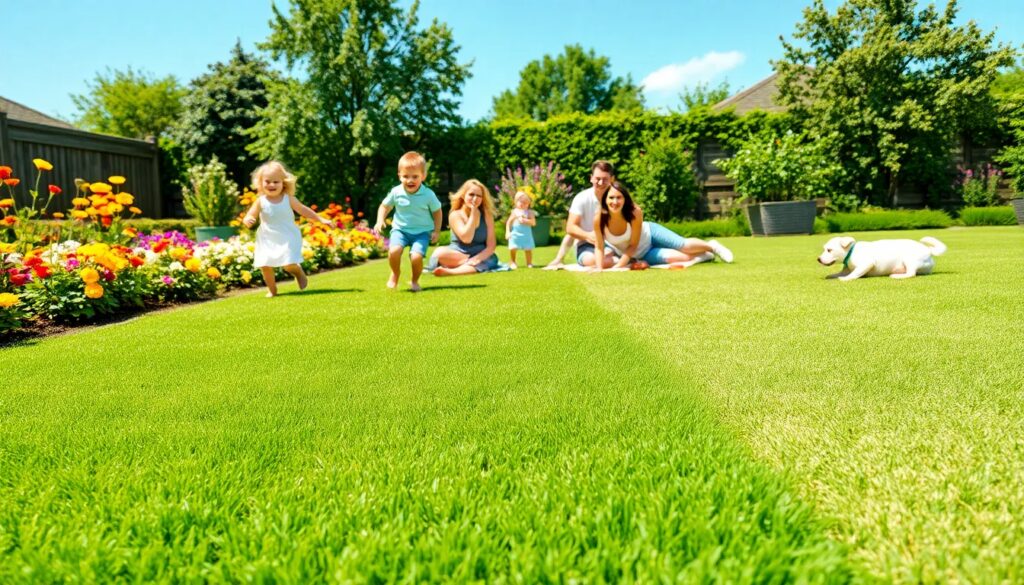
Choosing the right artificial grass can transform your space, whether for a garden, sports field, or pet area. With a variety of types of artificial grass available, understanding their unique characteristics is essential for making an informed decision.
This guide will help you navigate through the different types, features, and considerations to ensure you select the best artificial grass for your specific needs.
What are the different types of artificial grass?
Artificial grass comes in several types, each tailored for distinct applications. The primary types of artificial grass include:
- Nylon: Known for its durability and resilience, nylon is ideal for high foot traffic areas.
- Polyethylene: This type offers a realistic appearance and soft texture, making it perfect for landscaping.
- Polypropylene: The most budget-friendly option, suitable for low-traffic areas.
- Luxury Grass: A blend of materials designed for a lush look and feel, often used in residential gardens.
Each type has its advantages and disadvantages. For example, while nylon is durable and can withstand heavy use, it is often more expensive than polypropylene.
Understanding these distinctions can guide your choice, ensuring the grass selected suits your lifestyle and usage.
How to determine the best artificial grass for your needs?
To determine the best artificial grass, consider the intended use and environment. Factors such as foot traffic, climate, and aesthetics play crucial roles in this selection process.
First, assess the expected foot traffic. For high-traffic areas like playgrounds or sports fields, choose nylon or high-density polyethylene for better durability.
Next, consider the climate. If you live in a hot area, grass with UV protection will prevent fading and maintain its appearance. Additionally, think about whether you want a grass that's pet-friendly if animals will use the space.
What factors should you consider when choosing artificial grass?
When selecting artificial grass, several factors must be taken into account:
- Yarn type: The material can significantly affect durability and appearance.
- Pile height: Taller grass may look more luxurious but can also be harder to maintain.
- Infill material: This affects the softness and stability of the grass.
- Backing type: A strong backing ensures the grass holds up under various conditions.
Moreover, think about maintenance requirements. Some grass types require more upkeep than others, such as brushing or cleaning to maintain their aesthetic.
Keeping these factors in mind will help you choose a product that meets your expectations and is suitable for your environment.
What are the key characteristics of quality artificial grass?
Quality artificial grass possesses several key characteristics that make it a viable alternative to natural grass:
- Durability: High-quality grass can withstand heavy foot traffic and adverse weather conditions.
- Realistic appearance: It should mimic natural grass closely in color and texture.
- Effective drainage: Good drainage prevents water pooling and promotes quick drying.
- Antimicrobial properties: This feature helps prevent odors and bacterial growth.
These characteristics ensure that your artificial grass not only looks good but also performs well over time. A well-chosen product will provide years of enjoyment without the maintenance hassle of natural grass.
How does the composition of artificial grass vary?
The composition of artificial grass varies primarily in the materials used. The three main types—nylon, polyethylene, and polypropylene—offer distinct benefits:
- Nylon: Provides superior strength and resistance to wear, making it ideal for areas with heavy use.
- Polyethylene: Known for its soft feel and natural look, it is often used in residential landscapes.
- Polypropylene: The most economical choice, suitable for low-traffic or decorative areas.
Understanding these materials will aid in selecting the right type of grass for specific applications. You might choose nylon for a sports field while opting for polyethylene for a backyard.
Are there eco-friendly options for artificial grass?
Yes, there are several eco-friendly artificial turf options available on the market. Many manufacturers are now producing grass made from recycled materials, which helps reduce waste and is a sustainable choice.
Moreover, some eco-friendly grass options feature better drainage systems, which can help conserve water. They are designed to be low-maintenance and do not require harmful chemicals for upkeep.
Choosing environmentally friendly options not only benefits the planet but can also enhance the aesthetic appeal of your outdoor spaces.
What are the best applications for different types of artificial grass?
The best applications for artificial grass depend on its type and the environment:
- Sports fields: Nylon grass is commonly used for its durability and resilience.
- Residential lawns: Polyethylene is favored for its realistic appearance and softness.
- Pet areas: Durable nylon or specialized pet-friendly grass works well to withstand the wear caused by animals.
- Playgrounds: Safety and comfort are crucial, making softer grass types ideal.
- Rooftops and balconies: Lightweight and easy-to-install grass can enhance urban spaces.
Understanding these applications will help you make an informed choice about which type of artificial grass best meets your specific needs.
Questions related to types of artificial grass
What are the different types of artificial grass?
The various types of artificial grass primarily include nylon, polyethylene, and polypropylene. Each type has its unique properties and applications, ranging from high durability in sports fields to softer textures for residential lawns.
Nylon is favored for its strength, while polyethylene mimics the look of natural grass effectively. Polypropylene is more economical but less durable, making it a suitable choice for decorative use.
Why are people getting rid of artificial grass?
Some individuals choose to remove artificial grass due to concerns about its environmental impact, such as plastic waste. Additionally, lower-quality products may fade or degrade over time, leading to dissatisfaction.
Maintenance issues, such as the accumulation of dirt and debris, can also prompt removal. Ultimately, the choice to remove artificial grass often stems from a desire for more sustainable landscaping options or dissatisfaction with performance.
What are the three types of synthetic turf?
The three primary types of synthetic turf are nylon, polyethylene, and polypropylene. Each type serves different purposes based on its characteristics.
Nylon is known for its durability and is often used in high-traffic areas. Polyethylene offers a softer, more natural appearance, while polypropylene is affordable but less robust, suitable for low-traffic applications.
Which material artificial grass is best?
Determining the best material for artificial grass depends on the intended use. For high-traffic areas, nylon is often the superior choice due to its resilience.
However, for residential landscaping, polyethylene might be preferred for its realistic look and comfort. Ultimately, the best material will align with your specific requirements, such as budget, usage, and aesthetic preferences.