
Most realistic artificial grass options for your lawn
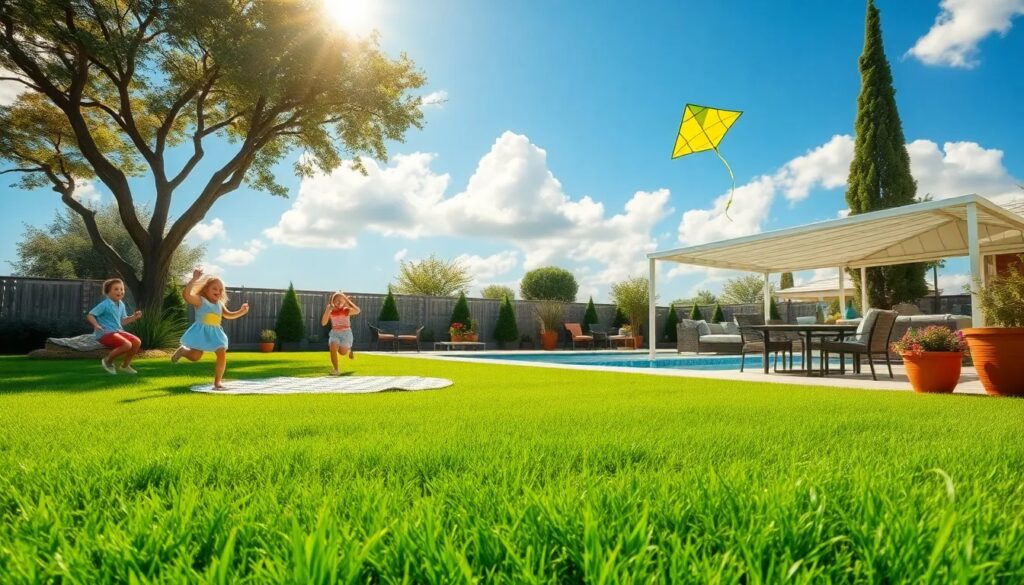
Artificial grass has come a long way in recent years, providing home and business owners with an excellent alternative to natural lawns. The most realistic artificial grass options now mimic the look and feel of real grass more convincingly than ever before.
Understanding the features and qualities that contribute to a natural appearance is essential for anyone considering installing synthetic turf. From blade shape to color variation, many factors come together to create a lifelike aesthetic.
What Are The Most Realistic Artificial Grass Brands?
When looking for the most realistic artificial grass, it's crucial to consider reputable brands known for quality and innovation. Some of these brands include:
- Artificial Grass Wholesalers
- SYNLawn
- Fake Grass
- Evergreen Turf
Each brand offers unique features that enhance realism, such as varying pile heights, textures, and infill options. For instance, SYNLawn is renowned for its eco-friendly products, while Evergreen Turf focuses on durability and UV resistance.
Researching customer reviews and comparing products can help you determine which brand best suits your needs.
How To Choose The Most Realistic Artificial Grass For Your Lawn?
Choosing the most realistic artificial grass requires considering several factors to ensure that it meets your aesthetic and functional needs:
- Blade Shape: Look for designs that mimic natural grass blades.
- Color Variations: Opt for turf with varying shades of green and subtle brown tones for authenticity.
- Texture and Density: Higher density grass tends to look more lifelike.
- Pile Height: Choose a height that resembles your local grass types.
Understanding your regional grass types can help you select a synthetic option that blends seamlessly with your surroundings. For example, if you live in an area where Bermuda grass is common, look for artificial grass that replicates its characteristics.
What Makes Artificial Grass Look Realistic?
The realism of artificial grass stems from several key characteristics:
1. Blade Design: Modern synthetic grasses feature advanced blade designs that mimic the curvature and texture of natural grass.
2. Color Depth: Utilizing different colors in the fibers adds depth and realism. Various hues can enhance the look, making the turf appear more natural.
3. Infill Materials: The type of infill used plays a significant role in achieving realism. Materials like sand, rubber, or silica contribute to the grass's weight and stability, enhancing its lifelike appearance.
4. Durability: High-quality materials such as nylon and polypropylene offer strength and longevity, helping the grass maintain its appearance over time.
What Are The Different Types Of Realistic Artificial Grass?
There are several types of artificial grass designed to meet diverse needs:
- Polyethylene: Known for its softness and natural look, polyethylene grass is ideal for residential lawns.
- Nylon: Highly durable and resilient, nylon grass can withstand heavy foot traffic, making it suitable for commercial spaces.
- Polypropylene: A cost-effective option, polypropylene is often used for temporary installations.
Each type has distinct features catering to varied applications, from home lawns to sports fields. It's essential to assess your requirements and choose accordingly.
What Should You Consider When Choosing Artificial Grass?
When selecting artificial grass, consider the following:
- Purpose: Determine whether the grass will be for decorative purposes, play areas, or sports fields.
- Location: Evaluate the climate and the amount of sun exposure the area receives.
- Maintenance Requirements: Some grasses require more upkeep than others, so factor in your willingness to maintain the turf.
- Budget: Set a budget that allows for quality while meeting your aesthetic needs.
Deciding on these factors upfront will lead to a more satisfying choice, ensuring the artificial grass remains functional and visually appealing.
How To Install Artificial Grass For The Most Realistic Look?
Proper installation is vital for achieving the most realistic artificial grass appearance. Follow these steps:
1. Site Preparation: Clear the area of any debris, rocks, and vegetation. Ensure the ground is level to avoid any uneven spots.
2. Sub-Base Installation: Create a stable base using crushed stone or decomposed granite to promote drainage.
3. Grass Layout: Lay the artificial grass out in the desired pattern, making sure the fibers all face the same direction.
4. Securing the Turf: Different methods can be used to secure the turf, such as staples or adhesives, depending on the intended use and permanence of the installation.
5. Infill Application: Add infill material to enhance stability and provide a more natural feel.
Frequently Asked Questions About Realistic Artificial Grass
Why are people getting rid of artificial grass?
Many people are reconsidering their use of artificial grass due to concerns about environmental impact and maintenance. One primary reason is the heat retention of synthetic materials, which can lead to discomfort during hot weather.
Additionally, some individuals find that while artificial grass requires less water, it doesn't support local wildlife as natural grass does, leading to a desire for more eco-friendly options.
Can you get artificial grass that looks real?
Yes, advancements in technology have made it possible to find realistic synthetic grass that closely resembles natural grass. Brands now offer products with variations in texture, color, and blade shape, which significantly enhance their authenticity.
When choosing, look for high-density options with multiple shades and natural-looking fibers to ensure a lifelike appearance.
What are the negatives of artificial turf?
While artificial turf has many advantages, it also has drawbacks. One significant concern is the environmental impact, as it can contribute to heat islands and does not absorb rainwater like natural grass.
Another negative is the potential for fading or wear over time, which can detract from its appearance and require replacement. Additionally, some people have reported that artificial grass can be uncomfortable in hot weather.
What is the fake grass that real grass can grow through?
Some innovations in artificial grass allow for a permeable surface where natural grass can grow underneath. This type of product is designed to provide a blend of natural and synthetic elements, creating a unique aesthetic while promoting sustainability.
These systems often feature a perforated backing that allows for soil and sunlight to reach real grass roots, offering the best of both worlds for eco-conscious consumers.