
How to clean artificial grass
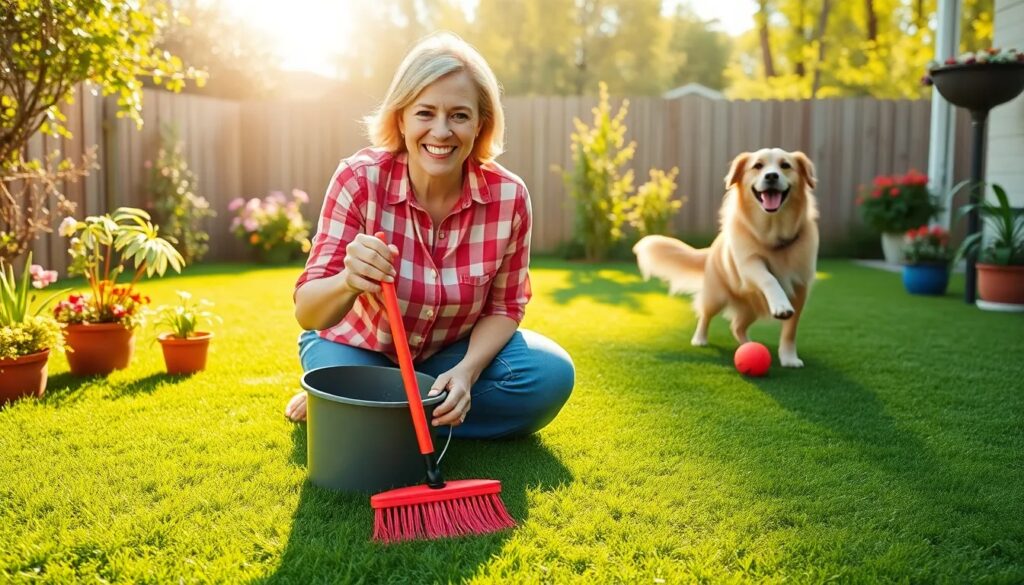
In this article, you will discover effective techniques and tips for how to clean artificial grass. Whether you have pets, children, or simply want to maintain the appearance of your synthetic lawn, this comprehensive guide will provide you with all the information you need for proper upkeep.
How to remove urine smell from artificial grass?
Dealing with pet urine is a common concern among artificial grass owners. To eliminate urine odors effectively, start by rinsing the affected area with water to dilute the urine. This is crucial for reducing the concentration of ammonia that causes the smell.
Next, consider using a mixture of white vinegar and water. This natural solution not only neutralizes odors but also helps break down the uric acid crystals that may cling to the turf fibers. A typical ratio is 1 part vinegar to 3 parts water. Apply this mixture using a spray bottle or by pouring it directly on the spot.
After applying the vinegar solution, allow it to sit for at least 30 minutes before rinsing again with clean water. This will ensure that the odors are effectively neutralized.
- Rinse the area with water.
- Mix vinegar with water and apply it.
- Let it sit, then rinse again.
What is the best way to clean artificial grass?
The best method to clean artificial grass varies based on the types of debris and usage. For general maintenance, start by removing leaves, dirt, and other debris with a leaf blower or broom.
Next, use a hose to rinse off any dust and dirt particles. Regular rinsing is essential to prevent buildup and keep the turf looking fresh. For deeper cleaning, consider a solution of mild soap or specialized artificial grass cleaners to scrub the surface.
Once you've applied the cleaner, use a brush with stiff bristles to work it into the turf, ensuring that it reaches the base of the fibers.
- Remove debris with a blower.
- Rinse with a hose.
- Apply a cleaning solution and scrub.
How to clean artificial grass with dogs?
Cleaning artificial grass when you have dogs involves specific techniques to tackle messes effectively. Begin by promptly removing solid waste to prevent odor and staining. Use a dog waste bag to pick up any droppings and dispose of them properly.
For urine, regular rinsing with water is crucial. Additionally, applying a pet-safe cleaning solution can help eliminate odors and stains. Ensure that any products used are non-toxic to protect your furry friends.
Lastly, consider using an enzymatic cleaner specifically designed for pet messes. These cleaners break down organic materials and eliminate odors effectively.
How to clean artificial grass from dust?
Dust and dirt can accumulate on artificial grass, making it look dull. To clean it effectively, start by using a leaf blower or a stiff-bristled broom to dislodge the dust particles. This is the first step in maintaining a clean lawn.
After loosening the dust, use a regular garden hose to rinse the area thoroughly. It’s advisable to rinse the turf at least once a week to prevent the buildup of dust and dirt.
For stubborn dirt patches, consider using a mixture of water and dish soap. Apply the soapy water, scrub gently with a brush, and rinse it out thoroughly.
How to clean artificial grass naturally?
If you prefer eco-friendly methods, there are several natural solutions you can use. One popular option is a mixture of baking soda and water. Baking soda helps neutralize odors while cleaning the grass.
Another effective natural cleaner is diluted vinegar. This solution is not only safe for the environment but also effective in breaking down substances that cause odors.
For a simple cleaning routine, mix 1 cup of vinegar with 3 cups of water and spray it onto the grass. Let it sit for about 20 minutes before rinsing with water.
Best tool for cleaning artificial grass?
Choosing the right tools can significantly enhance your cleaning efforts. A stiff-bristled broom is essential for sweeping off debris, while a leaf blower can quickly remove leaves and dust.
A power washer is another effective tool for rinsing the grass, especially for a deeper clean. However, be cautious with the pressure setting to avoid damaging the turf.
- Stiff-bristled broom: for sweeping.
- Leaf blower: for debris removal.
- Power washer: for deeper cleaning.
How to maintain artificial grass for longevity?
Maintaining artificial grass is essential for its longevity. Regular brushing helps keep the fibers standing upright, enhancing its appearance.
Additionally, it's recommended to rinse the grass frequently, especially in high-traffic areas to prevent dirt buildup and odors.
Every few months, apply infill material to refresh the turf's cushioning and support, ensuring that it maintains its lush look.
Frequently asked questions about cleaning artificial grass
What is the best way to clean fake grass?
The best way to clean fake grass involves a combination of removing debris, rinsing with water, and using appropriate cleaning solutions. Regular maintenance is key to keeping it looking fresh.
How do I stop my artificial grass from smelling of dog urine?
To prevent odors from dog urine, it’s essential to rinse the area frequently and use a mixture of vinegar and water as a natural cleaner. This will neutralize the odors effectively.
What is the best cleaning solution for artificial grass?
The best cleaning solution often depends on personal preferences, but bio-friendly cleaners specifically formulated for synthetic grass work best. Always check for pet safety to ensure the health of your animals.
Can you use Dawn dish soap on artificial turf?
Yes, Dawn dish soap is safe to use on artificial turf in diluted form. It can help clean dirt and stains effectively. Ensure to rinse thoroughly to avoid residue.