
Artificial grass cleaning guide
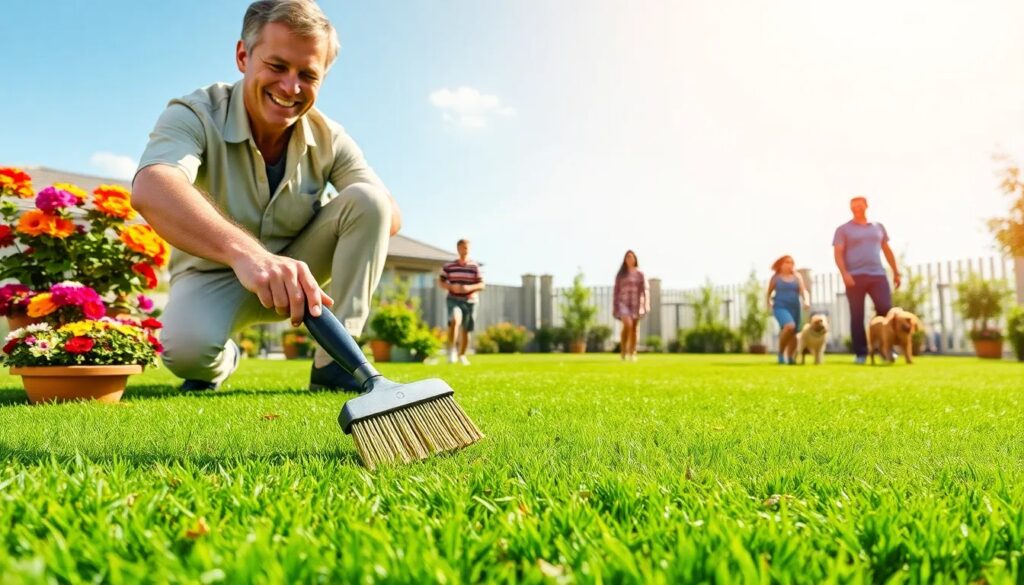
If you want to keep your artificial grass looking fresh and vibrant, understanding the proper cleaning techniques is essential. This article serves as your comprehensive guide to artificial grass cleaning, outlining expert tips and methods to maintain your turf effectively.
Artificial grass cleaning: expert tips for maintaining your turf
Maintaining your artificial grass involves more than just occasional sweeping. Regular and effective artificial grass cleaning enhances its appearance and longevity. To start, it's important to assess the amount of foot traffic and the surrounding environment. Areas that receive more use or are near trees may require more frequent cleaning.
Using eco-friendly solutions not only helps in maintaining the turf but also protects the environment. Products like Turf Fresh offer safe alternatives to harsh chemicals, ensuring that your cleaning efforts are beneficial for both your grass and the planet.
It's advisable to schedule a deep clean at least once a year while performing routine maintenance regularly. This way, you can catch any potential issues early, preventing bacteria and odors from building up.
How to clean artificial grass: the ultimate guide
The process of cleaning artificial grass can be straightforward. Here’s a step-by-step guide to ensure optimal cleanliness:
- Remove Debris: Use a leaf blower or a broom to clear away leaves, dirt, and other debris.
- Rinse with Water: Lightly hose down the grass to remove dust and pollen.
- Spot Clean Stains: Use a pet-friendly cleaning solution if you notice any stains. Blot, don’t scrub to avoid damaging the fibers.
- Brush the Grass: Use a stiff-bristled brush to lift the grass blades and keep them looking their best.
- Deodorize: Apply a turf deodorizer to neutralize any lingering odors.
Following these steps regularly can help maintain a beautiful, clean lawn. Make it a point to incorporate these practices into your gardening routine.
How often should you clean your artificial grass?
Cleaning frequency depends on several factors such as usage and environment. For a residential lawn with moderate use, a cleaning schedule every 4 to 6 weeks works well. However, if you have pets or children who play frequently on the grass, you may want to clean it more often.
In regions with heavy rainfall, washing the grass after rain can help remove mud and debris washed in from outside. This keeps the fibers free from buildup that could lead to unpleasant odors.
For those who live in drier climates, a thorough cleaning might be necessary just before the high usage season starts. This ensures that the grass remains in top condition for summer barbecues and gatherings.
What are the best tools for cleaning artificial grass?
Having the right tools can make artificial grass cleaning much easier. Here’s a list of essential tools:
- Leaf blower or broom for debris removal
- Hose with a spray nozzle for rinsing
- Stiff-bristled brush to lift fibers
- Pet-friendly cleaning solutions for spot cleaning
- Deodorizers specifically formulated for turfs
Using these tools will not only streamline the cleaning process but also ensure that your artificial grass remains in optimal condition. Invest in quality tools to make your maintenance routine more efficient.
How to remove pet odors from artificial grass?
Pet odors can be a common issue with artificial grass, especially for pet owners. Here are some effective methods:
First, it’s crucial to clean up any solid waste immediately. Then, rinsing the area with water can help dilute and remove the odor. For further cleaning, consider using a mixture of white vinegar and water, which serves as a natural deodorizer.
If the odors persist, products like Pet Odor Eliminators can be applied. These are designed specifically for turf and do not harm the grass or your pets. Regular maintenance will significantly reduce odor buildup.
Step-by-step process for cleaning artificial grass
Cleaning artificial grass can be broken down into manageable steps:
- Initial Assessment: Identify areas needing the most attention.
- Debris Removal: Clear fallen leaves and dirt using a leaf blower or broom.
- Rinsing: Lightly spray the grass with water to remove dust.
- Stain Treatment: Apply eco-friendly cleaning solutions to any stains.
- Brush the Fibers: Use a stiff-bristled brush to maintain grass blade integrity.
- Apply Deodorizer: Finish off with a turf deodorizer.
By following this structured approach, you can keep your artificial grass looking and smelling fresh throughout the year.
Why is regular maintenance important for artificial grass?
Regular maintenance is crucial for the longevity and appearance of artificial grass. Cleaning prevents debris buildup, which can cause the grass fibers to break down over time.
Furthermore, consistent care helps maintain an odor-free environment, especially important for homes with pets. Not only does it improve the aesthetic appeal, but it also promotes a healthier outdoor space.
By investing time in maintenance, users can avoid costly repairs or replacements in the future. Regular upkeep ensures that your turf remains a pleasant and safe area for family and friends to enjoy.
Frequently asked questions about artificial grass cleaning
What is the best way to clean fake grass?
The best way to clean fake grass is to follow a regular maintenance routine that includes removing debris, rinsing with water, and using pet-friendly cleaning solutions for any stains. Using the right tools, like a stiff-bristled brush and a quality deodorizer, can also enhance your cleaning efforts.
How do I stop my artificial grass from smelling of dog urine?
To stop artificial grass from smelling of dog urine, it’s essential to clean the area promptly after your pet relieves itself. Rinse the spot with water, and apply a mixture of vinegar and water as a natural deodorizer. Additionally, using specialized pet odor eliminators can effectively neutralize stubborn odors.
How often should artificial grass be cleaned?
Artificial grass should ideally be cleaned every 4 to 6 weeks, depending on usage and environmental factors. For homes with pets or heavy foot traffic, consider cleaning more frequently to maintain hygiene and appearance.
Can you use Dawn to clean artificial grass?
While Dawn can be effective for some cleaning tasks, it may not be the best choice for artificial grass. It’s recommended to use eco-friendly and pet-safe cleaning solutions specifically designed for turf, to avoid damaging the fibers or leaving harmful residues.