
Artificial grass maintenance tips for a pristine lawn
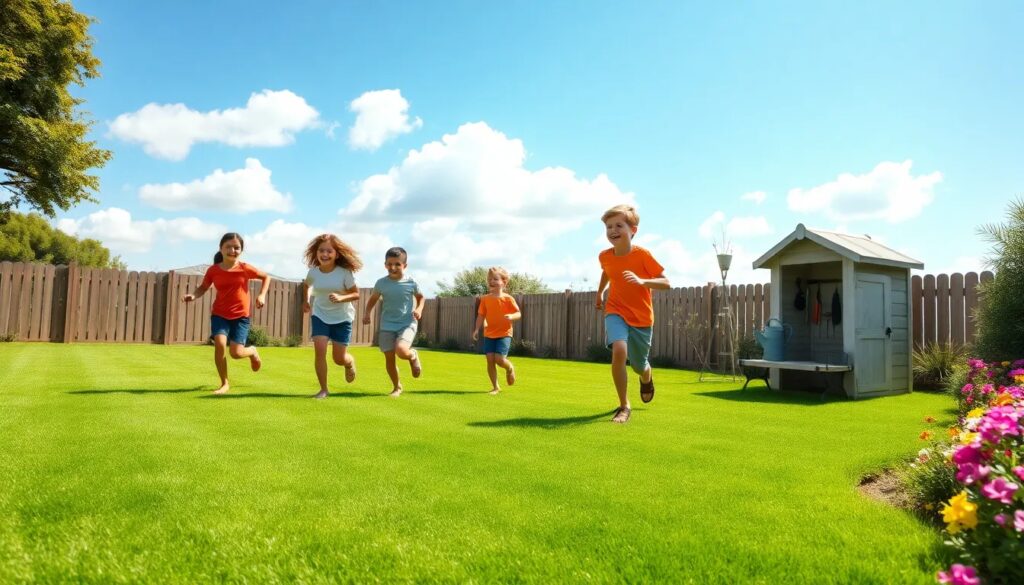
Maintaining artificial grass is essential for keeping your lawn looking pristine and prolonging its lifespan. In this article, you will discover effective tips, essential tools, and strategies for the best practices in artificial grass maintenance.
How to properly maintain artificial grass?
To ensure your artificial grass remains in top condition, regular care is key. First and foremost, it’s crucial to remove any organic debris like leaves or dirt. Regularly clearing debris helps prevent odors and deterioration of the fibers.
Another important aspect of maintenance is brushing the turf. This process helps maintain the uprightness of the fibers and redistributes the infill material evenly. Additionally, routine rinsing with a hose or pressure washer can help eliminate dust and pollen accumulation.
Lastly, inspecting your artificial grass for any damage or wear can prevent larger issues down the line. Addressing minor repairs promptly will help maintain the aesthetics and functionality of your lawn.
What are the key tips for artificial grass care?
- Quickly address stains: For spills or stains, blot the area and rinse with water or a mild detergent.
- Use appropriate cleaning agents: For tougher stains, consider using mineral spirits.
- Regularly wash your turf: Employ a pressure washer for a deep clean at least once a year.
- Control weeds: Regular checks and treatments can prevent weed growth.
- Brush the surface: This helps keep the fibers upright and looking new.
By following these tips, you can ensure your artificial grass remains vibrant and visually appealing for many years. Regular maintenance creates a welcoming environment and enhances curb appeal.
How often should you clean artificial grass?
The frequency of cleaning artificial grass can depend on various factors, including usage and environmental conditions. Generally, it is advisable to rinse your turf with water every couple of weeks, especially in high-traffic areas.
For a more comprehensive clean, a full wash using a pressure washer should be done once or twice a year. This process removes deeper dirt and contaminants that might not be visible on the surface.
In addition, during the warmer months, you may notice an increase in dust and pollen. More frequent rinsing can help keep your grass looking fresh and clean.
What equipment do you need for artificial grass maintenance?
Maintaining artificial grass does not require a vast array of tools, but having the right equipment is vital. Here are some essential tools:
- Hose: A garden hose is essential for rinsing the turf.
- Broom: A stiff-bristled broom helps brush and maintain the fibers.
- Pressure washer: This is useful for deeper cleans and removing stubborn debris.
- Cleaning agents: Mild detergents or specialized turf cleaners.
- Weed control products: To manage any potential weed growth.
Using the right tools will streamline your maintenance routine and help keep your artificial grass in excellent condition.
How to address stains on artificial grass?
Staining on artificial grass can occur from spills, pet waste, or other sources. The first step is to blot the stain immediately with a clean cloth to absorb as much liquid as possible.
For most stains, rinsing with water can be effective. If the stain persists, a mild detergent solution can be applied. For tougher stains, such as grease or oil, mineral spirits may be needed to break down the substance.
Ensure to follow up with a thorough rinse after applying any cleaning agent to avoid residue buildup. Prompt action is critical in preventing stains from setting in and extending the life of your turf.
What is the cost of artificial grass maintenance?
The cost associated with artificial grass maintenance can vary depending on factors such as the size of your lawn and the extent of care required. Regular maintenance, which includes cleaning and inspections, generally incurs minimal costs.
If you choose to hire professionals for deep cleaning or repairs, you may expect to pay between $100 to $300 annually, depending on the service offered.
When comparing this to the costs associated with maintaining natural grass, where you might pay for mowing, fertilization, and pest control, artificial grass proves to be a more cost-effective solution in the long run.
How to maintain artificial grass with pets?
Managing artificial grass when you have pets can be straightforward with the right practices. First, it’s essential to clean up pet waste promptly to prevent odors and grass deterioration.
Regular rinsing with water helps to dilute urine and minimize any lingering smells. If you notice persistent odors, consider using pet-friendly cleaning solutions specifically designed for synthetic turf.
In addition, installing a designated area for pets to relieve themselves can help keep your grass clean. Following these measures will ensure that your artificial grass remains a safe and pleasant environment for pets.
Questions related to artificial grass maintenance
What is the best way to maintain artificial grass?
The best way to maintain artificial grass involves a combination of regular cleaning, brushing, and addressing any stains immediately. Routine maintenance ensures longevity and keeps the turf looking its best.
What maintenance is needed for artificial grass?
Essential maintenance tasks include removing debris, rinsing to clear dust and dirt, and brushing to maintain the turf's appearance. Additionally, inspecting for damage and treating any stains as they happen is crucial.
What is the downside of artificial grass?
While artificial grass is low maintenance, it can become hot in direct sunlight, and some people may find it less natural compared to real grass. Furthermore, it requires periodic cleaning to maintain its appearance and functionality.
Do you need to put sand on artificial grass every year?
Sand is typically not required yearly unless you notice significant infill depletion. Regular brushing helps redistribute existing infill and maintain the turf's integrity, minimizing the need for additional sand.