
Best artificial grass options for your yard
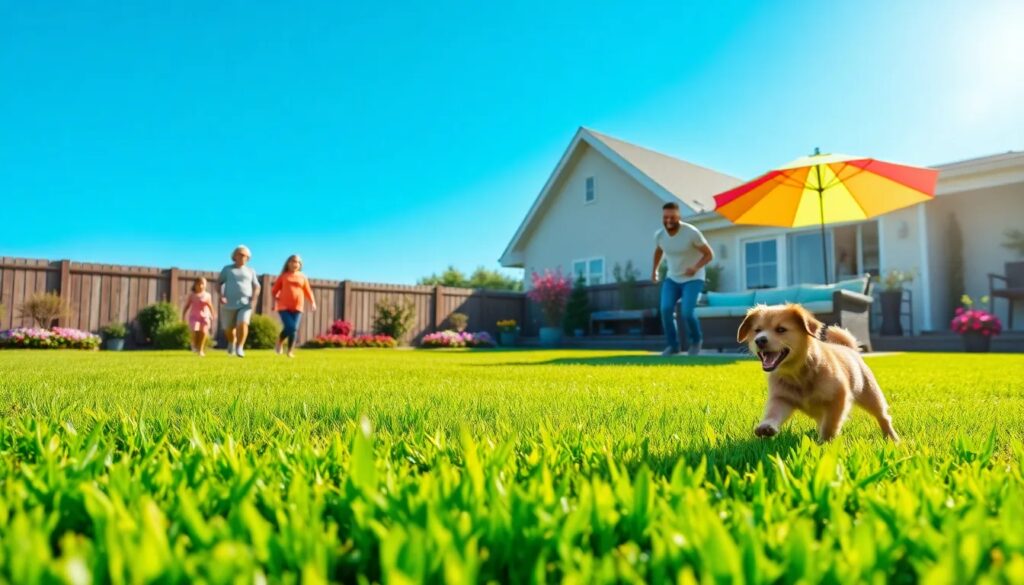
Artificial grass has gained immense popularity among homeowners seeking a low-maintenance yet aesthetically pleasing alternative to traditional lawns. Brands like Turf Factory Direct have made this eco-friendly option more accessible, offering various synthetic turf solutions suitable for different applications. This guide will help you navigate the choices and features of the best artificial grass available today.
Understanding the various types of artificial grass and their unique benefits is crucial when making your selection. From residential to commercial applications, the right turf can significantly enhance your outdoor space. Let's explore the essential factors to consider when choosing the best artificial grass for your needs.
What is the best artificial grass for your yard?
When considering the best artificial grass for your yard, you must evaluate several factors that contribute to its appearance and durability. High-quality synthetic turf typically features a combination of materials such as polyethylene and nylon, which offer both softness and resilience. Look for options that closely mimic natural grass in color and texture.
Some popular choices include:
- Realistic multicolor blades
- High-density turf for a lush appearance
- Infill materials that enhance stability
Another important aspect is the blade shape. Different shapes can create various visual effects and feel underfoot. For instance, curved blades can provide a more natural look, while flat blades may look neater. Ultimately, the best artificial grass for your yard should meet your aesthetic preferences and practical needs, such as traffic tolerance and maintenance requirements.
What are the most realistic artificial grass brands?
Several brands stand out in the artificial grass market for their realistic offerings. Turf Factory Direct is known for providing high-quality synthetic turf options suitable for both residential and commercial use. Their products often feature advanced materials that enhance durability and realism.
Some other notable brands include:
- FieldTurf: Renowned for sports applications, offering various textures and colors.
- Luxury Grass: Focused on high-end residential options that provide a lush feel.
- Evergreen: Known for budget-friendly solutions without sacrificing quality.
When choosing a brand, consider customer reviews and testimonials to assess the experiences of other users. A brand's reputation can often provide valuable insights into the quality and performance of their products.
How to select the best artificial grass for dogs?
Selecting artificial grass for dog owners requires special consideration to ensure both safety and functionality. Look for turf designed to withstand heavy use from pets, as well as materials that are safe for their paws. Many artificial grasses come with a drainage system to allow urine to pass through easily, preventing odors and ensuring a fresh environment.
When choosing the best artificial grass for dogs:
- Ensure it’s made from non-toxic materials.
- Opt for a product with good drainage capabilities.
- Select a turf with a durable backing to withstand wear and tear from claws.
Additionally, consider options that can be cleaned easily, as maintaining hygiene is essential for pet owners. Some products even feature antimicrobial properties that help reduce bacteria and odors, making them a healthy choice for your furry friends.
What is the best artificial grass for hot climates?
In hot climates, choosing the right artificial grass can significantly impact its longevity and usability. Look for turf with UV protection to prevent fading and deterioration from sun exposure. Products made from polyethylene are particularly suited for warm climates, as they tend to remain cooler underfoot compared to other materials.
Key features to consider include:
- Heat-reflective technology to minimize surface temperature.
- High-density construction to withstand heat without losing shape.
- Durable infill materials that can help with temperature regulation.
By selecting the best artificial grass designed for hot climates, you can ensure a comfortable and long-lasting outdoor space. Look for warranties that cover UV protection, as this can be a strong indicator of quality.
How to find the best artificial grass for your backyard?
Finding the best artificial grass for your backyard involves several steps. First, assess your specific needs based on how you plan to use the space. If your backyard will be a play area for children, you may want a softer, more cushioned option. For entertaining purposes, a stylish and lush appearance might be your priority.
Consider the following when making your choice:
- Evaluate the traffic levels your turf will face.
- Research brands that offer samples for testing.
- Compare prices and warranty options for added peace of mind.
Additionally, consult with professionals or visit local showrooms to see the products in person. This hands-on approach can provide valuable insights into texture and appearance, helping you make a more informed decision.
What are the best artificial grass options for balconies?
Balcony spaces can greatly benefit from the addition of artificial grass, providing a green oasis in urban environments. When selecting turf for your balcony, consider the weight and drainage capabilities, as some balconies may have weight restrictions. Lightweight options that allow for efficient water drainage are ideal.
Key considerations include:
- Choose turf with a shorter pile height for easier maintenance.
- Look for products that are specifically designed for rooftop or balcony applications.
- Ensure the grass is resistant to fading from sunlight.
The best artificial grass options for balconies can transform small spaces into beautiful retreats, making them more comfortable and inviting.
What factors should you consider before choosing artificial grass?
Before investing in artificial grass, it's essential to weigh several factors to ensure you make the best choice. First, consider the product's lifespan and maintenance requirements. Modern synthetic grasses offer low maintenance options, but some may require periodic brushing or washing.
Other factors to consider include:
- The type of infill used and its impact on performance.
- The warranty terms, which can vary significantly between brands.
- Environmental impact, including whether the turf is made from recycled materials.
Ultimately, understanding these factors will help you choose a product that meets your needs and expectations. Doing thorough research and consulting experts can lead to a more satisfying purchase.
Related questions about artificial grass choices
Why are people getting rid of artificial grass?
Many individuals are reconsidering their artificial grass choices due to several concerns. One prevalent issue is the perception of heat retention. Some synthetic lawns can become quite hot under direct sunlight, making them uncomfortable for both pets and people. Additionally, increasing awareness of environmental impacts has led some to seek more sustainable options.
Moreover, concerns regarding the durability of certain products can lead to dissatisfaction. If the turf does not maintain its appearance or performance over time, homeowners may opt to remove it altogether.
What are the negatives of artificial grass?
While artificial grass offers several benefits, it is not without its drawbacks. One significant concern is that it can get very hot in direct sunlight, potentially leading to burns for pets and children. Additionally, the initial installation cost can be higher compared to natural grass, which may deter some homeowners.
Environmental concerns also arise, particularly regarding the disposal of old turf. Many materials used in synthetic grass are not biodegradable, posing long-term disposal challenges. Proper research and product selection can help mitigate some of these issues.
What thickness of artificial grass is best?
The ideal thickness of artificial grass can vary based on your intended use. Generally, a pile height of 30mm to 40mm is suitable for residential applications, providing a balance of comfort and durability. Thicker options can offer a more luxurious feel, while shorter blades may be appropriate for high-traffic areas.
Ultimately, the best thickness will depend on how much foot traffic the area will endure and the aesthetic you wish to achieve. Consult with suppliers to find the right fit.
Which is better, artificial turf or artificial grass?
The terms “artificial turf” and “artificial grass” are often used interchangeably; however, they can represent different products. Artificial grass typically refers to softer, more realistic-looking options that resemble natural lawns, making them ideal for residential use.
On the other hand, artificial turf may refer to products designed for sports fields and heavy traffic areas. These options tend to be more durable and less soft, which is suitable for specific applications. The choice ultimately depends on your needs and preferences.