
Best artificial grass for backyard use
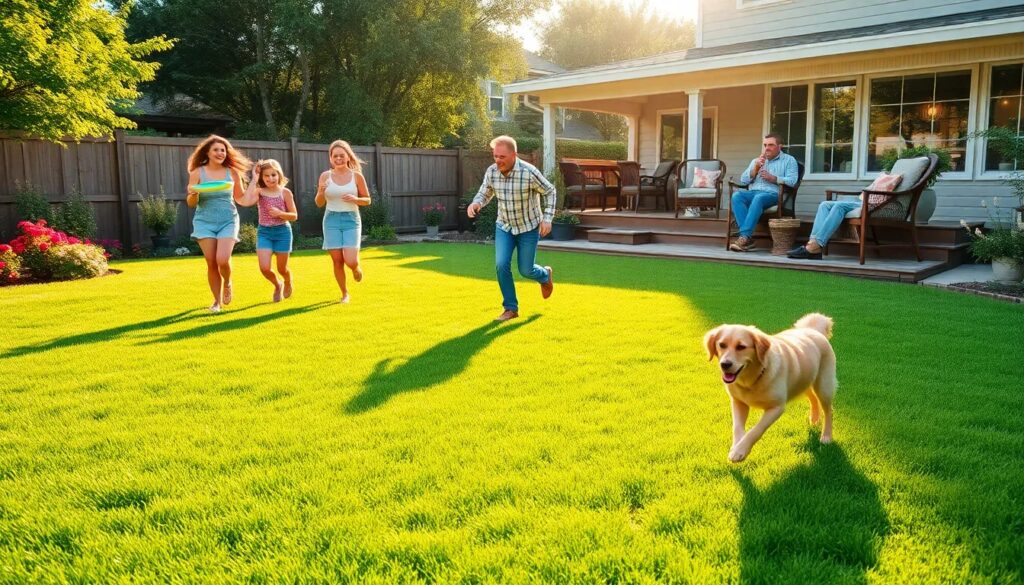
Artificial grass has become a popular choice for homeowners looking to enhance their backyards. With its low maintenance needs and aesthetic appeal, it is an ideal solution for various landscaping projects. In this guide, we will explore everything you need to know about the best artificial grass for backyard use, helping you make an informed decision.
What are the different types of artificial grass available?
Artificial grass comes in various types, each tailored for specific uses and environments. The most common materials used include polyethylene, polypropylene, and nylon.
- Polyethylene: This type is often preferred for residential landscapes due to its softness and durability.
- Polypropylene: Generally more affordable, but less durable, making it suitable for low-traffic areas.
- Nylon: Known for its resilience, it's ideal for high-traffic zones but can be pricier than other options.
Additionally, the pile height of artificial grass can vary significantly, affecting both the aesthetic and functional characteristics. High pile grass offers a lush appearance, while shorter piles are frequently more practical for active play areas.
How do I choose the best artificial grass for my backyard?
Selecting the best artificial grass for your backyard depends on several factors, including climate, usage, and budget. Start by considering how you plan to use the space. For families with children or pets, look for the most durable artificial grass for pets and kids that withstand heavy use.
Another vital consideration is the drainage capabilities of the grass you choose. Quality turf should have excellent drainage to prevent pooling and ensure that it remains clean and safe for your family.
You should also evaluate the aesthetics. Colors and textures vary widely, so choose a product that complements your home and landscaping. Research the top-rated artificial grass for children and pets to find safe options, prioritizing those that are certified for safety and environmental standards.
What makes artificial grass eco-friendly?
Artificial grass has several eco-friendly benefits that make it an attractive option for environmentally conscious homeowners. One of the primary advantages is water conservation. With artificial grass, you can eliminate the need for regular watering, saving substantial amounts of water over time.
Moreover, artificial grass requires no pesticides or fertilizers, reducing chemical runoff into the environment. Many products are also made from recycled materials, further minimizing environmental impact.
Using synthetic grass for landscaping can also help combat soil erosion, providing a stable surface that prevents runoff during heavy rains. Therefore, choosing artificial grass can align with your green initiatives while enhancing your backyard.
How does artificial grass compare to natural grass?
When comparing artificial grass to natural grass, several key differences emerge. Firstly, maintenance is a significant factor. Natural grass requires regular mowing, watering, and fertilizing, while artificial grass is virtually maintenance-free.
In terms of durability, artificial grass can withstand heavy foot traffic and weather conditions better than natural grass, which may struggle to remain lush in high-use areas.
Another consideration is aesthetic consistency. Artificial grass maintains its vibrant color year-round, while natural grass can become patchy or brown during droughts or cold seasons. This makes the best artificial grass for backyard a reliable option for homeowners desiring a consistently pristine look.
What are the benefits of installing artificial grass?
Installing artificial grass offers numerous benefits that can significantly enhance your outdoor experience. Some of the most notable advantages include:
- Low maintenance: No need for mowing, watering, or fertilization means less time spent on lawn care.
- Durability: Designed to withstand wear and tear, making it ideal for pets and children's play areas.
- Consistent appearance: Maintains greenery and color without the seasonal fluctuations of natural grass.
- Environmentally friendly: Reduces water usage and eliminates chemical treatments.
- Allergy-friendly: Reduces pollen and potential allergens in your backyard.
These benefits make artificial grass an appealing option for those seeking a functional and visually pleasing backyard.
How much does artificial grass cost for backyards?
The cost of installing artificial grass for your backyard can vary widely based on several factors, including the type of grass chosen, installation fees, and the size of the area being covered. Generally, you can expect to spend between $5 and $20 per square foot, which includes both materials and installation.
Higher-end products, such as high quality artificial turf for landscaping, tend to be more expensive but offer enhanced durability and aesthetic appeal. On the other hand, affordable artificial grass options are available for budget-conscious homeowners while still providing decent quality.
When budgeting for your project, consider long-term savings. Although the initial investment may be higher, the reduced maintenance and water costs can lead to significant savings over time.
Questions related to artificial grass
What are the negatives of artificial grass?
While artificial grass offers many advantages, there are also some downsides to consider. One of the most significant negatives is the initial cost, which can be higher than natural grass installation. Additionally, artificial grass can become hot under direct sunlight, potentially causing discomfort for pets and children playing on it.
Moreover, while synthetic grass is designed for durability, it can still be susceptible to wear and fading over time, particularly in high-traffic areas. It’s also essential to ensure proper drainage to prevent issues with mold or odor.
Is it a good idea to put artificial grass in the backyard?
Installing artificial grass in your backyard can be an excellent choice, especially if you seek a low-maintenance lawn that remains green year-round. It is particularly beneficial for families with children and pets, as many options are specifically designed for durability and safety.
However, it is essential to assess your specific needs and preferences. If you enjoy gardening or have a fondness for natural landscapes, you might find that natural grass better suits your lifestyle.
What thickness of artificial grass is best?
The thickness of artificial grass can significantly impact its performance and appearance. Generally, a pile height of 1.5 to 2.5 inches is considered optimal for residential backyards. This range provides a natural look while ensuring durability for moderate traffic.
For areas with heavy foot traffic or pets, opting for a thicker grass may be wise, as it can withstand wear and provide a more plush feel underfoot. Always consider how much use the area will receive when determining the best thickness.
What is the best time of year to lay artificial grass?
The best time to install artificial grass typically falls during the spring or early fall, when temperatures are mild. This timing helps ensure the best conditions for installation and allows you to enjoy your new lawn during its peak growing seasons.
It's essential to avoid installation during extremely hot or cold weather, as these conditions can affect the performance of the grass and the adhesives used. Proper timing can help ensure that your investment in artificial grass yields the best possible results.