
Artificial grass around pool: benefits and installation guide
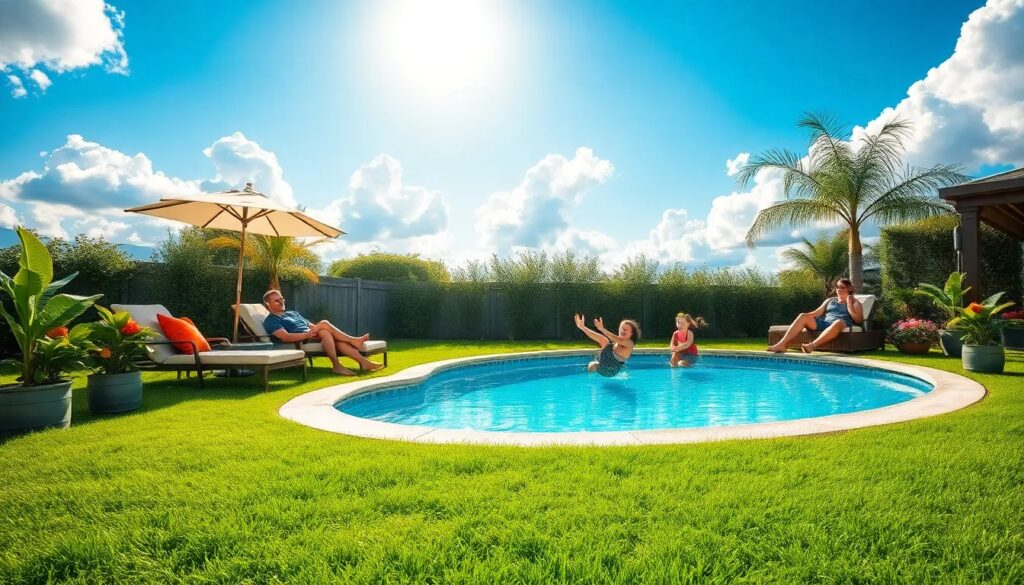
When it comes to enhancing your poolside experience, artificial grass around pools has become a favored choice for homeowners. This option not only elevates the aesthetic appeal of your outdoor space but also adds a layer of safety and comfort for your family and guests.
In this guide, we will explore the benefits, installation processes, and key features to consider when selecting artificial grass for your pool area. Whether you're a DIY enthusiast or looking to hire a professional, this comprehensive overview will help you make an informed decision.
What are the benefits of artificial grass around pools?
One of the primary advantages of using artificial grass around pools is its low maintenance requirement. Unlike natural grass, synthetic turf does not need regular mowing, watering, or fertilizing. This means you can spend more time enjoying your pool rather than maintaining it.
Additionally, artificial grass offers enhanced safety. The materials used are often designed to be slip-resistant, which is particularly important in pool areas where wet surfaces can lead to accidents. With modern innovations such as Heat Block™ technology, the turf remains cooler underfoot, reducing the risk of burns during hot summer days.
- Low maintenance and upkeep
- Slip-resistant surfaces
- Insulation from heat
- Eco-friendly options available
- Durability against wear and tear
How to install artificial grass around pool areas?
Installing artificial grass around your pool can be a rewarding DIY project. First, careful planning and precise measurements are crucial. Determine the area you wish to cover and gather all necessary materials, including high-quality UV-resistant turf and drainage solutions.
The installation process typically involves several steps:
- Clear the area of existing grass or debris.
- Excavate the ground to ensure proper drainage and slope away from the pool.
- Lay a gravel base and drainage tiles, followed by landscape fabric to prevent weed growth.
- Unroll and cut the artificial grass to fit the area, then secure it in place.
- Apply infill if necessary to weigh down the turf and enhance its durability.
Each step ensures a professional finish that promotes effective water runoff and stability, thereby enhancing the longevity of your artificial grass.
What are the key characteristics of pool turf?
When selecting turf for pool areas, several characteristics should be taken into consideration. The material of the blades, their density, and the overall durability are paramount. Look for turf that is specifically designed for pool environments, as it will often feature superior drainage capabilities.
UV protection is another essential feature, as it helps maintain the color and longevity of the grass when exposed to sunlight. Furthermore, consider the pile height and face weight; shorter, denser grass tends to perform better in high-traffic areas.
- Durable yarn materials
- High-density fibers
- Effective water drainage
- Realistic appearance
- Low maintenance requirements
What are the pros and cons of using artificial grass around pools?
While there are many advantages to using artificial grass around pools, it is essential to weigh these against potential drawbacks. On the positive side, synthetic turf provides a consistent, lush appearance year-round and is often preferred for its low maintenance features.
However, some disadvantages include the initial installation cost, which can be higher than simply maintaining natural grass. Additionally, although the products are designed to withstand chlorine and other pool chemicals, prolonged exposure can lead to degradation over time.
How to maintain artificial grass around pools?
Maintaining artificial grass is relatively simple, but it requires some regular attention to keep it looking pristine. Start by regularly brushing the turf to prevent matting and to keep the fibers standing upright.
If your pool area experiences heavy use, consider rinsing the turf occasionally to remove residue from pool chemicals. Additionally, inspect the edges for wear and ensure that the drainage system is functioning correctly to avoid water pooling on the surface.
- Brush the turf regularly
- Rinse with water to remove debris
- Inspect for any damage
- Check drainage systems
- Replace infill as needed
What are the best options for artificial grass around pools?
When searching for the best artificial grass for pool areas, consider established brands like XGrass, which specializes in synthetic turf designed for pool environments. Their products often incorporate advanced features like Shine Block™, which minimizes glare and enhances the look of your outdoor space.
Look for options that provide heat reduction to keep your feet comfortable on hot days, as well as customizable solutions that suit your specific aesthetic needs. Many manufacturers also offer eco-friendly turf options, which can contribute to sustainable landscaping.
Summary of top picks for artificial grass for pools
In summary, selecting the right artificial grass for your pool area involves understanding your needs and preferences. Consider factors such as durability, installation ease, and aesthetic appeal. Brands like XGrass not only offer high-quality options but also focus on safety and comfort.
As you weigh your choices, remember that artificial grass around pools serves as a practical and visually appealing solution that can elevate your outdoor experience.
Related questions about artificial grass around pools
Is artificial grass good around a pool?
Yes, artificial grass is an excellent choice around pools. It provides a safe, slip-resistant surface that enhances the overall look of your outdoor space. Additionally, it requires minimal maintenance compared to natural grass, making it ideal for busy households. The technology behind modern synthetic turf ensures durability and temperature regulation, keeping the surface cooler and safer.
How to put artificial grass around a pool?
The installation of artificial grass around a pool involves several key steps. First, clear the area and prepare the base by excavating and ensuring proper drainage. Next, lay down the turf, cutting it to fit snugly against the edges of the pool. Securing the grass properly is crucial for longevity, so use appropriate adhesives or stakes to ensure it stays in place.
What are the negatives of artificial grass?
While artificial grass has many advantages, there are also some negatives to consider. The initial cost of purchasing and installing synthetic turf can be higher compared to maintaining natural grass. Furthermore, although it is designed to withstand outdoor conditions, prolonged exposure to chlorine and other chemicals can potentially damage the turf over time. It's essential to choose high-quality products for better longevity.
Does chlorine ruin fake grass?
Chlorine can potentially affect the longevity of artificial grass, especially if it is not designed for poolside use. However, high-quality synthetic turf is made to resist damage from chemicals commonly found in pools. To extend the life of your turf, it’s advisable to rinse it regularly to wash away any chlorine residue, ensuring the product remains in good condition.