
Artificial grass soccer field benefits and features
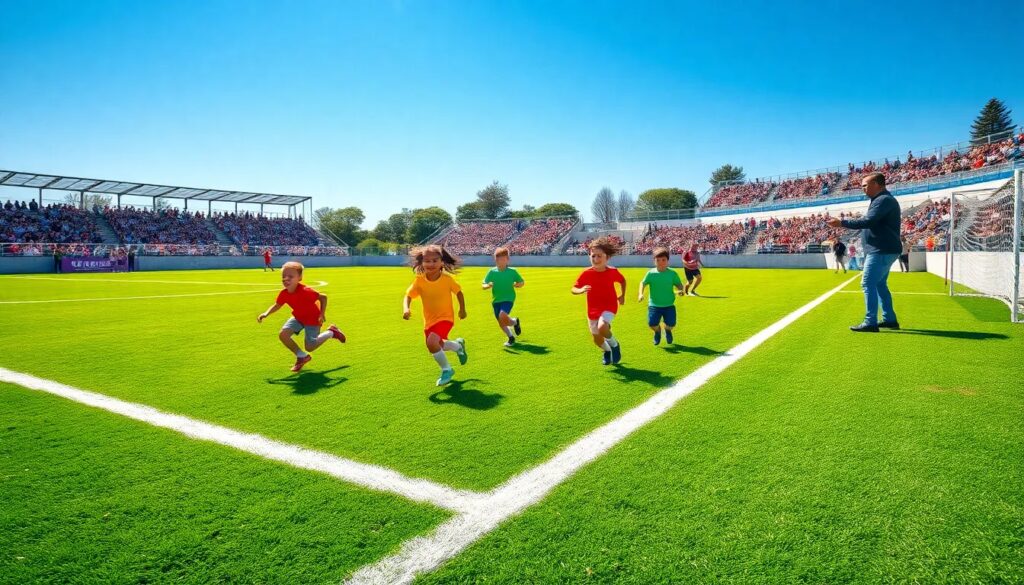
In recent years, artificial grass soccer fields have gained immense popularity among sports venues. This trend can be attributed to their durability, low maintenance requirements, and the ability to provide consistent playing conditions. Whether for schools, recreational leagues, or professional teams, these synthetic fields are designed to enhance the game.
This article explores various aspects of artificial grass soccer fields, including their benefits, installation costs, maintenance tips, and comparisons with natural grass. We aim to provide a comprehensive understanding of why these fields are becoming the preferred choice for many soccer organizations.
What is an artificial grass soccer field?
An artificial grass soccer field is a playing surface made of synthetic fibers designed to resemble natural grass. Unlike traditional fields, these surfaces do not require soil and support systems, making them easier to install and maintain. The turf is typically made from materials such as polyethylene or nylon, which provide durability and a realistic feel.
These fields are engineered to withstand heavy foot traffic and weather conditions. They are often layered with a shock-absorbing base, which enhances player safety by reducing the risk of injuries. Furthermore, the aesthetic appeal of artificial grass soccer fields can be customized with different colors and patterns, allowing teams to create a unique identity.
Organizations like Turf Factory Direct and AstroTurf offer a range of products tailored to various needs, highlighting the growing market for high-quality artificial grass. Their solutions combine advanced technology with years of research, ensuring that players experience optimal performance.
What are the benefits of artificial grass soccer fields?
There are numerous advantages to using artificial grass soccer fields. One key benefit is the significantly reduced maintenance compared to natural grass. There is no need for mowing, watering, or fertilizing, which can save both time and money.
Additionally, these fields offer enhanced durability. They can withstand harsh weather conditions and heavy use without showing signs of wear. This resilience means that teams can play on a consistent surface throughout the year.
- Cost-effective: Lower long-term maintenance expenses.
- Safe playing conditions: Reduced risk of injury with shock-absorbent features.
- Year-round usability: Playable in various weather conditions.
- Environmental considerations: Some products use recycled materials, reducing landfill waste.
Moreover, the consistent quality of the playing surface improves the overall experience for players and spectators alike. This leads to more enjoyable and competitive games, making artificial grass an attractive option for soccer fields.
How much does an artificial grass soccer field cost?
The cost of installing an artificial grass soccer field can vary widely based on several factors, including the size of the field, the type of turf selected, and installation requirements. On average, prices can range from $500,000 to over $1 million for professional-grade fields.
Several elements contribute to the overall cost:
- Field size and dimensions.
- Type of turf (e.g., polyethylene vs. nylon).
- Installation methods and site preparation.
- Additional features such as drainage systems and padding.
When considering an artificial grass soccer field, it is crucial to request quotes from multiple suppliers and understand the long-term benefits. While the initial investment may seem high, the reduced maintenance costs and increased playability can make it a worthwhile investment.
What should you look for in high-quality soccer turf?
When investing in an artificial grass soccer field, it is essential to choose high-quality turf. Here are some key factors to consider:
- Durability: Look for materials that can withstand heavy use and various weather conditions.
- Shock absorption: Ensure the turf has adequate padding to minimize injuries during play.
- Grass height: Different pile heights affect gameplay; consider options that suit your needs.
- Infill type: The infill material can influence performance, so choose wisely based on your requirements.
Additionally, you should assess warranties and maintenance services offered by suppliers. Reliable brands like LigaTurf and On Deck Sports provide excellent customer support and detailed installation guides, making it easier to maintain the field over time.
How is artificial grass different from natural grass?
The primary difference between artificial grass soccer fields and natural grass fields lies in their maintenance and performance characteristics. While natural grass requires regular care, including watering and mowing, artificial turf is engineered for low maintenance and high performance. This allows for more consistent playing conditions, regardless of the weather.
Moreover, artificial grass can be designed to mimic the look and feel of natural grass while providing enhanced durability and safety. For example, AstroTurf's advanced technologies focus on creating surfaces that reduce injuries and improve the overall experience for athletes.
There are also environmental considerations to take into account. Synthetic fields eliminate the need for pesticides and fertilizers, which can be harmful to the environment. While there are concerns about heat retention and drainage, advancements in technology are addressing these issues, making artificial grass a viable option for many sports organizations.
What type of artificial grass is best for soccer?
Selecting the right type of artificial grass for soccer is crucial for optimal gameplay. A few factors to consider include:
- Material: Polyethylene and nylon are popular options that offer durability and performance.
- Pile height: Typically ranges from 30mm to 60mm; taller grass may provide better shock absorption.
- Infill material: The choice of infill can impact playability, with options like rubber or sand.
Leading brands like AstroTurf and Turf Factory Direct offer specialized solutions tailored to soccer, ensuring that players experience the best possible performance on the field. Testing different options before making a final decision is advisable to find the turf that best meets your needs.
How long does an artificial grass soccer field last?
The lifespan of an artificial grass soccer field typically ranges from 10 to 15 years, depending on factors like usage, maintenance, and the quality of the materials used. Regular maintenance, including grooming and infill replenishment, can prolong the life of the turf.
High-quality fields can withstand heavy foot traffic and resist wear and tear over time. Brands like On Deck Sports emphasize the importance of selecting durable materials to ensure longevity. Additionally, proper installation plays a critical role in maximizing the lifespan of the field.
With advancements in technology, some artificial grass products come with warranties that extend up to 8 years or longer. This offers peace of mind for organizations investing in synthetic fields, reassuring them about their long-term usability and effectiveness.
Frequently asked questions about artificial grass soccer fields
How much does an artificial turf soccer field cost?
The cost of an artificial turf soccer field can range from $500,000 to over $1 million, depending on factors like size, turf type, and installation requirements. Investing in high-quality materials and professional installation can lead to significant long-term savings in maintenance and repairs.
Can you play soccer on artificial turf?
Yes, you can play soccer on artificial turf. In fact, many professional teams now use artificial grass soccer fields for training and matches. The consistent surface offers predictable playing conditions, which can improve performance and reduce the risk of injuries.
What type of artificial grass is best for soccer?
The best type of artificial grass for soccer typically features durable materials such as polyethylene or nylon, a suitable pile height, and an appropriate infill material. Brands like AstroTurf and LigaTurf specialize in providing high-performance turf that meets the specific needs of soccer players.
Do pros play in artificial grass soccer?
Yes, many professional soccer teams and leagues now play on artificial grass soccer fields. The technology has advanced significantly, making synthetic surfaces comparable to natural grass in terms of performance and safety.