
Artificial grass for playgrounds
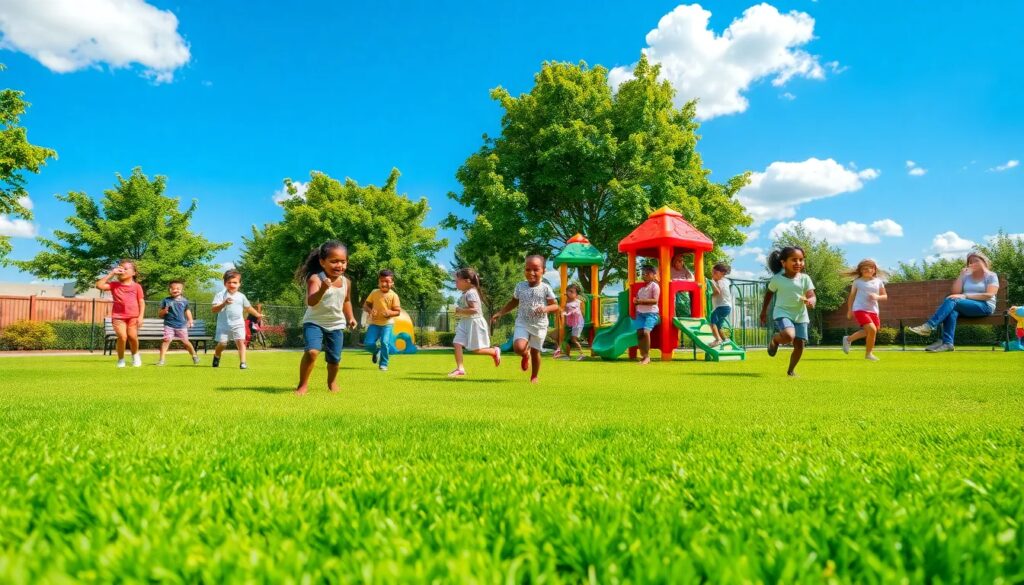
Artificial grass is becoming a popular choice for playgrounds due to its numerous benefits. It provides a safe and durable surface for children to play, ensuring that their playtime is both enjoyable and secure. With advancements in technology, the quality of artificial grass has improved significantly, making it an excellent alternative to natural grass.
In this article, we will explore the critical aspects of artificial grass for playground applications, including its benefits, installation process, costs, and more. Whether you're a parent, a school administrator, or a playground designer, understanding the advantages of artificial grass can help you make informed decisions.
What is artificial grass for playgrounds?
Artificial grass for playgrounds is a synthetic surface designed to mimic the appearance and feel of natural grass while offering enhanced safety and durability. It is crafted from high-quality materials that provide a soft and resilient surface ideal for children’s activities.
One of the key features of this product is its ability to withstand heavy foot traffic, making it suitable for both residential and commercial playgrounds. Unlike traditional grass, which requires constant maintenance, artificial grass offers a low-maintenance solution without sacrificing aesthetics.
Moreover, modern artificial grass is designed with child safety in mind, providing essential cushioning to reduce the risk of injuries during falls. This makes it an excellent choice for parents and institutions looking to create a safer environment for children.
Why choose artificial grass for your playground?
Choosing artificial grass for your playground comes with several compelling benefits. First and foremost, it enhances playground safety by providing a cushioned surface that minimizes impact. This can significantly reduce the likelihood of injuries, ensuring children can play freely without the risk of serious accidents.
Another advantage is its durability. Artificial grass is designed to withstand harsh weather conditions and wear and tear from continuous use. This means that playgrounds equipped with synthetic turf will remain in excellent condition for many years, reducing the need for frequent replacements.
Cost-effectiveness is another factor to consider. While the initial investment for artificial grass for playgrounds may be higher than traditional grass, the long-term savings on maintenance and water use make it a more economical option over time.
What are the benefits of artificial playground turf?
There are numerous benefits associated with using artificial playground turf, making it an attractive option for many playgrounds. Here are some key advantages:
- Low maintenance: Unlike natural grass, artificial turf does not require mowing, watering, or fertilizing, allowing for significant savings in time and resources.
- Consistent appearance: Artificial grass maintains its vibrant color and lush appearance year-round, regardless of the weather conditions.
- Environmentally friendly: Many products are made from recycled materials, contributing to sustainability efforts. Additionally, they help conserve water by eliminating the need for irrigation.
- Allergy reduction: Synthetic turf is less likely to harbor allergens than natural grass, creating a healthier environment for children with sensitivities.
- Quick drainage: Most artificial grass products are designed with drainage systems that allow for quick water runoff, minimizing puddling and mud.
By integrating these features, artificial grass can provide a safe and enjoyable space for children to engage in play.
What to consider when selecting playground turf?
When selecting artificial grass for your playground, several factors must be considered to ensure you make the right choice:
1. Safety Standards: Ensure that the turf meets safety certifications from organizations like IPEMA. Certified products provide peace of mind regarding impact attenuation and other safety features.
2. Material Quality: Look for high-quality materials that offer durability and comfort. Some brands, like SYNLawn and XGrass, utilize advanced technologies to enhance performance and safety.
3. Color and Appearance: Select a turf that looks visually appealing and blends well with the surrounding environment. Various colors and styles are available to suit different preferences.
4. Drainage Capability: Opt for turf with effective drainage systems to prevent water accumulation, which can lead to muddy conditions and safety hazards.
5. Maintenance Requirements: Even though artificial grass requires less maintenance than natural grass, it’s crucial to understand how to care for it to ensure longevity and performance.
By considering these factors, you can choose the best artificial grass for your playground needs.
Where to buy artificial grass for playgrounds?
When purchasing artificial grass for playgrounds, several reputable suppliers and manufacturers offer high-quality products. Here are a few suggestions:
- Turf Factory Direct: They provide a wide range of artificial grass products specifically designed for playgrounds, emphasizing safety and durability.
- XGrass: Known for their innovative playground turf solutions, they focus on child safety and environmental friendliness.
- SYNLawn: This company offers certified playground systems that meet rigorous safety standards, ensuring a safe play area for children.
Before making a purchase, it’s advisable to compare options, request samples, and consult with experts to determine the best fit for your specific playground needs.
How is playground turf installed?
Installing playground turf is a straightforward process that can often be completed in a few steps. Here’s a general overview of the installation procedure:
1. Site Preparation: Begin by clearing the area of any debris, rocks, or existing grass. Level the ground to create a smooth surface for the turf.
2. Base Layer: Install a base layer of crushed stone or gravel to promote drainage and provide stability. This layer should be compacted firmly.
3. Turf Layout: Unroll the artificial grass and lay it out over the prepared base, making sure to align the seams properly to ensure a natural look.
4. Securing the Turf: Use stakes or adhesive to secure the turf to the ground. Properly secure the edges to prevent lifting and movement.
5. Infill Application: Apply infill materials like sand or rubber granules to enhance cushioning and stability. This step also helps to keep the blades of grass standing upright.
6. Final Touches: Rake the infill to distribute it evenly and ensure the turf looks natural and inviting.
Following these steps will help ensure a successful installation of your artificial grass playground, providing a safe space for children to enjoy.
What are the costs associated with artificial grass for playgrounds?
The cost of installing artificial grass for playgrounds can vary based on several factors, including the quality of materials, the size of the area, and specific installation requirements. Here’s a breakdown of potential costs:
- Material Costs: The price for artificial grass ranges from $2 to $8 per square foot, depending on the quality and brand.
- Installation Fees: Professional installation can add an additional $3 to $5 per square foot, though some may opt for DIY installations to save money.
- Maintenance Costs: While artificial grass requires less maintenance than natural grass, occasional upkeep costs should be factored in, such as infill replenishment or repairs.
When budgeting for artificial grass for playground projects, it’s essential to consider all these elements to ensure you allocate sufficient funds for a successful installation.
Related questions about artificial grass for playgrounds
Can you put a playground on artificial turf?
Yes, you can absolutely put a playground on artificial turf. In fact, many modern playgrounds are designed with synthetic grass surfaces specifically for this purpose. The turf provides a safe and cushioned area for children to play, reducing the risk of injuries from falls. Additionally, artificial grass is durable enough to withstand the wear and tear from equipment and foot traffic.
Is artificial turf safe for kids to play on?
Artificial turf is designed to be safe for children to play on. Many products meet stringent safety standards, including those set by organizations like IPEMA. This includes features such as shock absorption to reduce impact injuries and antimicrobial properties to minimize allergens. However, it's crucial to choose certified products that have undergone rigorous testing to ensure their safety and suitability for playgrounds.
Can I put artificial grass directly on dirt?
While it is possible to install artificial grass directly on dirt, it is generally recommended to prepare the site with a proper base. This includes leveling the ground and adding a layer of crushed stone or gravel for better drainage and stability. Proper installation ensures that the turf will perform effectively and last longer, providing a reliable surface for children.
What is the downside of artificial grass?
While artificial grass has numerous benefits, there are some downsides to consider. The initial cost can be higher compared to natural grass, and it may require occasional maintenance to keep it looking its best. Additionally, some types of artificial turf can heat up in direct sunlight, making them uncomfortable for play during hot days. It's essential to choose high-quality products and consider the specific environment in which the turf will be installed.