
Artificial grass vs turf: key differences explained
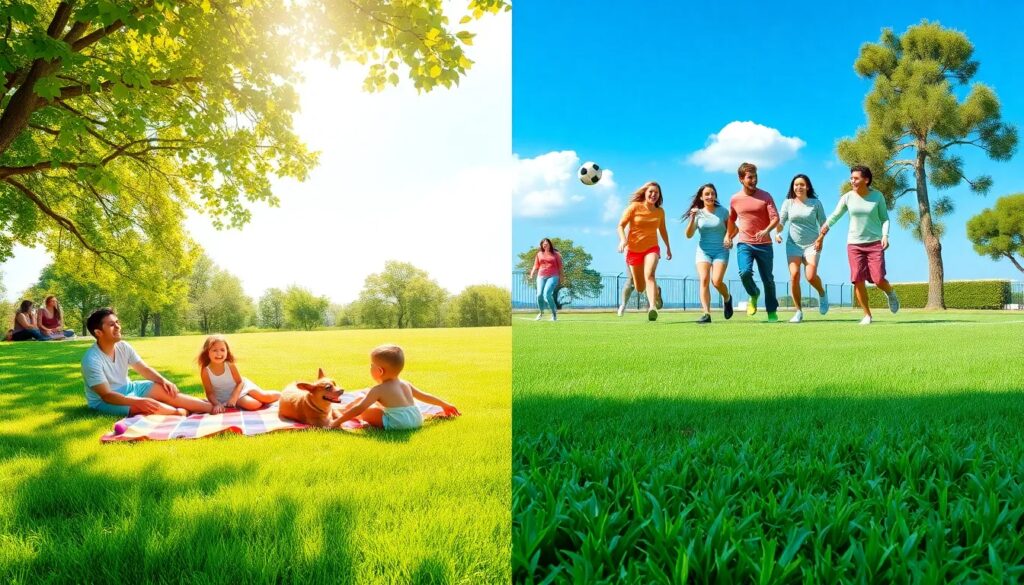
Artificial grass and turf are two popular choices for various applications, ranging from landscaping to sports fields. Understanding the differences between them can help you make an informed decision about which option is best for your needs. This article will explore the key distinctions, advantages, and applications of artificial grass and turf, comparing their uses and benefits.
What is artificial grass and why would you consider it?
Artificial grass, also known as synthetic grass, is designed to mimic natural grass while providing a low-maintenance alternative. It is made from plastic fibers that are designed to look and feel like real grass. Many people consider artificial grass for its durability and water-saving technologies.
The appeal of artificial grass lies in its versatility; it can be used in residential lawns, playgrounds, and even commercial landscapes. Homeowners often opt for this solution to reduce water consumption and maintenance costs. Additionally, artificial grass offers a green aesthetic year-round, making it a popular choice for landscaping solutions.
Another reason to consider artificial grass is its ability to withstand heavy foot traffic. This makes it ideal for high-traffic environments such as parks, sports fields, and playgrounds. Its long-lasting nature means fewer replacements and repairs, which can save money in the long run.
What is artificial turf and why would you consider it?
Artificial turf is a specific type of synthetic grass that is primarily used in sports applications. It is made from shorter, more durable fibers, designed to withstand the rigors of athletic activity. Many sports fields, including soccer and football fields, utilize artificial turf for its high durability and ability to maintain a consistent playing surface.
One of the main reasons to consider artificial turf is its low maintenance requirements. Unlike natural grass, which needs regular mowing and watering, turf can be quickly cleaned and maintained, making it an excellent choice for busy sports facilities.
Furthermore, artificial turf is often designed to be more resilient against harsh weather conditions, maintaining its integrity and appearance regardless of climate. This durability ensures that sports fields remain functional and visually appealing throughout the year.
What are the key differences between artificial grass and turf?
When comparing artificial grass and turf, several key differences stand out. These differences can greatly influence your choice depending on the intended application.
- Fiber Length: Artificial grass typically has longer fibers, providing a softer and more natural feel, while turf fibers are shorter and more durable.
- Applications: Artificial grass is versatile and suitable for residential lawns and landscaping, whereas turf is specifically designed for sports fields.
- Maintenance: Both options require less upkeep than natural grass, but turf often requires less frequent cleaning due to its design.
- Durability: Turf is built to withstand heavy foot traffic and intense wear, making it ideal for athletic use.
- Cost: The initial installation cost may vary, with turf often being more expensive but providing longer-lasting performance in sports contexts.
These differences highlight why understanding the distinction between artificial grass and turf is paramount when making a selection for your project.
What are the advantages of artificial grass over turf?
Artificial grass comes with several advantages that make it suitable for a wide range of applications:
1. Natural Aesthetic: Artificial grass looks and feels more like real grass, making it a visually appealing option for residential lawns and landscaping projects.
2. Water Conservation: Since artificial grass does not require watering, it is a sustainable option that helps conserve water resources, especially in drought-prone areas.
3. Safety for Pets: Artificial grass can be designed to be pet-friendly, providing a safe and clean area for pets to play without the risk of muddy paws or allergens.
4. Year-Round Greenery: Unlike natural grass, which can turn brown during winter, artificial grass maintains its vibrant green color throughout the year.
These benefits position artificial grass as an attractive option for homeowners seeking low-maintenance landscaping solutions.
What are the applications of artificial turf?
Artificial turf is primarily used in sports and recreational settings. Its applications include:
- Sports Fields: Turf is commonly found in soccer, football, and baseball fields due to its durability and ability to withstand heavy usage.
- Playgrounds: Many playgrounds utilize artificial turf to provide a safe and soft surface for children to play on.
- Dog Parks: Turf is also an increasingly popular choice for dog parks since it can be easily cleaned and maintained.
These applications demonstrate the versatility and practicality of artificial turf for high-traffic environments.
Why should you choose artificial grass for your landscape?
Choosing artificial grass for your landscape offers numerous benefits that traditional natural grass cannot provide. First and foremost, the low maintenance aspect makes it an ideal choice for busy homeowners. You won’t have to worry about mowing, watering, or fertilizing.
Moreover, artificial grass is an environmentally friendly solution that can significantly reduce your water usage. In regions where water scarcity is a concern, opting for artificial grass can help conserve valuable water resources.
Additionally, artificial grass provides a consistent appearance, regardless of the weather. You can enjoy a lush, green landscape all year round without worrying about seasonal changes that affect natural grass.
What are the pros and cons of artificial turf and grass?
Both artificial turf and grass have their advantages and disadvantages. Understanding these can help you make an informed decision.
Pros of Artificial Grass:
- Low maintenance requirements.
- Water conservation benefits.
- Aesthetic appeal with a natural look.
- Safe for children and pets.
Cons of Artificial Grass:
- Higher initial installation costs.
- It may not provide the same cooling effect as natural grass.
Pros of Artificial Turf:
- Extremely durable and long-lasting.
- Ideal for high-traffic sports applications.
- Low maintenance and cleaning requirements.
Cons of Artificial Turf:
- Can become hot in direct sunlight.
- May not provide the same natural feel as artificial grass.
These pros and cons illustrate how the choice between artificial grass and turf ultimately depends on individual needs and preferences.
Exploring related questions about artificial grass vs turf
Is artificial grass better than turf?
The answer depends on the intended use. Artificial grass is often better for landscaping and residential applications where a natural look is desired. In contrast, artificial turf excels in sports environments where durability and performance are paramount.
What are the downsides of artificial grass?
While artificial grass offers numerous advantages, there are downsides. The initial installation can be costly, and it may not provide the cooling effect that natural grass offers. Additionally, some types can heat up in direct sunlight, making it uncomfortable for pets or children during hot days.
Is it cheaper to lay turf or artificial grass?
The cost can vary based on the specific materials used and the installation requirements. Generally, artificial grass may have a higher installation cost, but it can save money in maintenance over time compared to natural grass.
What's the difference between AstroTurf and artificial grass?
AstroTurf is actually a brand name for a type of artificial turf. While it refers specifically to a product used primarily in sports fields, artificial grass encompasses a broader range of synthetic grass options used for various landscaping needs. AstroTurf tends to have shorter fibers, which are engineered for durability in athletic settings.