
Artificial grass rake options for effective cleaning
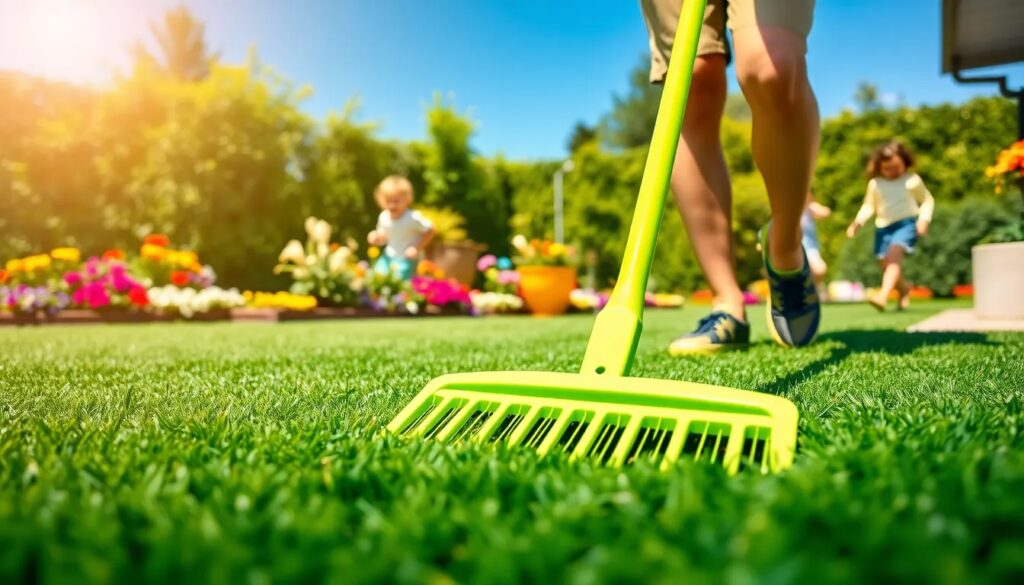
In this article, find comprehensive insights into the best options for an artificial grass rake, essential for keeping your synthetic lawns clean and well-maintained.
Best artificial grass rake options for effective cleaning
When it comes to maintaining synthetic lawns, choosing the right tools is crucial. An artificial grass rake is designed specifically to manage the unique needs of artificial turf, ensuring that it remains in top condition.
Top choices in the market include the Spear & Jackson Telescopic Astro Turf Brush, known for its curved stiff bristles and adjustable handle. Additionally, electric power rakes are a great option for larger areas, combining efficiency with ease of use.
Plastic and rubber rakes are also popular among pet owners for their lightweight construction and ability to gather debris without damaging the turf backing. Each of these options provides excellent functionality, ensuring effective cleaning of your artificial grass.
What is an artificial grass rake?
An artificial grass rake is a specialized tool designed to clean and maintain synthetic turf. Unlike regular rakes, these tools have unique bristles or tines that are specifically shaped to effectively clean between the blades of artificial grass.
The primary purpose of an artificial grass rake is to remove debris such as leaves, twigs, and dirt that can accumulate on the surface. This prevents the growth of weeds and eliminates odors associated with organic matter.
Many artificial grass rakes feature lightweight materials, making them easy to maneuver. Some models even have telescopic handles, allowing users to adjust the length based on their needs and comfort.
Why is it important to maintain artificial grass?
Regular maintenance of artificial grass is critical for several reasons. First, it enhances the aesthetic appeal of your outdoor space. A clean turf contributes to a more vibrant and inviting atmosphere.
Secondly, proper care can extend the lifespan of your synthetic lawn. Accumulated debris can lead to the growth of microorganisms and create an environment for mold and odors, which can damage the turf over time.
Furthermore, maintaining artificial grass is essential for safety, especially in areas where pets play. A well-maintained lawn minimizes the risk of slipping and keeps the surface clean for children and animals.
How to choose the best artificial grass rake?
Choosing the right artificial grass rake involves several considerations. Start by assessing the type of debris typically found on your lawn. For instance, if you often deal with larger leaves or twigs, a rake with stiff bristles may be more effective.
Another important factor is the size of your lawn. For larger areas, an electric power rake can save considerable time and effort. Conversely, a handheld rake might be sufficient for smaller spaces.
- Consider the rake's weight, especially if you plan on using it frequently.
- Look for ergonomic designs that provide comfort during use.
- Examine materials for durability; high-quality plastics or aluminum are often best.
- Check reviews to determine the effectiveness of the rake in real-world applications.
What are the benefits of using a turf rake?
Using a turf rake offers numerous advantages for artificial grass maintenance. For starters, it ensures thorough cleaning of debris, helping to maintain a pristine appearance.
Additionally, turf rakes can help to aerate the grass, allowing for better drainage and reducing the risk of water pooling. This is vital for preventing mold and other moisture-related issues.
Moreover, investing in a quality turf rake can simplify the cleaning process, making routine lawn upkeep easier and less time-consuming. This leads to a healthier, more vibrant synthetic lawn over time.
Can you use a regular rake on artificial grass?
While it may be tempting to use a regular rake on artificial grass, it is generally not recommended. Standard rakes can potentially damage the turf, as they are not designed for the specific structure of synthetic grass.
Regular rakes often have metal tines that can tear the grass fibers or disturb the underlying backing. This can lead to costly repairs or replacements down the line. Instead, using an artificial grass rake specifically designed for this purpose will ensure safe and effective cleaning.
For those who already own a regular rake, consider investing in a turf rake for maintaining your synthetic lawn properly. This will help preserve the integrity of your turf while keeping it clean.
Where can you find artificial grass rakes nearby?
Finding artificial grass rakes is relatively easy, thanks to their availability in various retail outlets. Home improvement stores, garden centers, and specialized lawn care shops typically stock these tools.
Additionally, many online retailers offer a wide selection of turf rakes, often with customer reviews to help guide your purchase. Local classifieds or gardening clubs can also be good resources for acquiring used tools.
Before purchasing, be sure to compare prices and features to find the best option that suits your needs. Taking the time to research will lead to a more informed decision.
Questions related to artificial grass maintenance
What to use to rake artificial grass?
The best tool to use for raking artificial grass is an artificial grass rake. These rakes have specially designed bristles that effectively gather debris without damaging the turf. They help remove leaves, dirt, and pet waste, ensuring your synthetic lawn remains clean and safe.
How do I stop my artificial turf from smelling like dog urine?
To prevent odors from dog urine, regularly clean the affected areas with a mixture of water and vinegar. Another effective method is to use enzymatic cleaners specifically designed for artificial grass. These products break down the odor-causing substances, neutralizing any unpleasant smells.
What's the best way to clean artificial grass?
The best approach to clean artificial grass effectively involves a combination of raking, washing, and occasional deep cleaning. Regularly use a turf rake to remove debris, then rinse the lawn with water. For deep cleaning, apply a specialized turf cleaner that targets stains and odors.
How to put artificial grass down on dirt?
Installing artificial grass on dirt requires a well-prepared base. Begin by leveling the area and removing any debris. Lay a weed barrier to prevent growth, and then add a layer of crushed stone or gravel to aid drainage. Finally, roll out the artificial grass, ensuring it lies flat and secure.