
Artificial grass sand infill: pros and cons
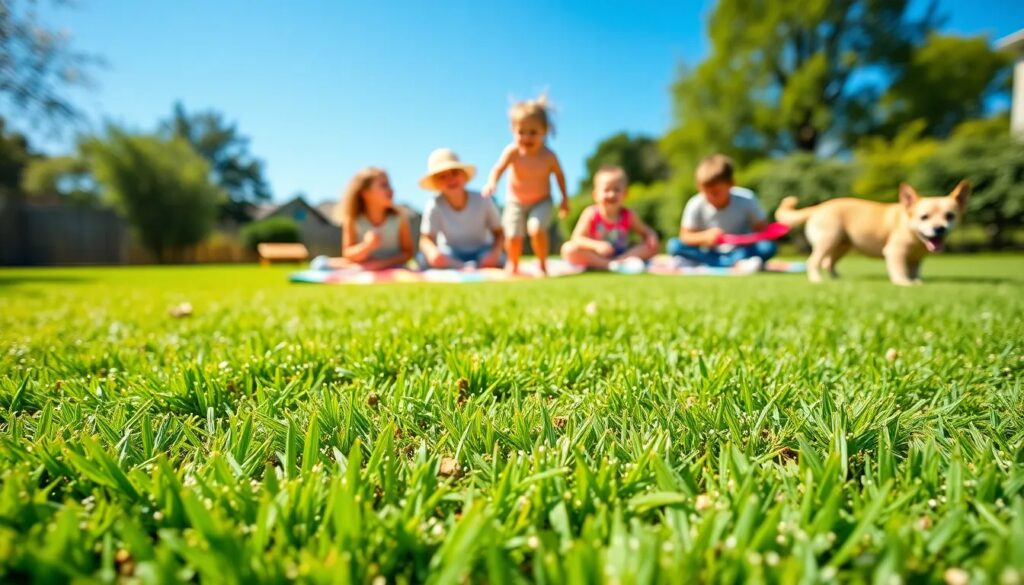
In this article, we will explore the essential aspects of artificial grass sand infill, including its pros and cons, benefits, installation techniques, and where to purchase it. Whether you're considering switching to synthetic turf or maintaining your current lawn, understanding sand infill is crucial for achieving the best results.
Pros and cons of artificial grass sand infill
Artificial grass sand infill offers a range of advantages and disadvantages. Understanding these can help homeowners make informed decisions regarding their lawns.
Durability is a significant benefit of using sand infill. It supports the synthetic grass blades and helps them stand upright, contributing to a more natural appearance. Additionally, sand infill helps with heat resistance, preventing warping and damage on hot days.
However, one of the cons includes messiness. Sand can scatter and create a mess, especially in high-traffic areas. Moreover, it might trap odors if not properly maintained, making it less desirable for homes with pets.
- Pros:
- Enhances grass stability
- Improves heat resistance
- Cost-effective option
- Reduces weed growth
- Compatible with various turf types
In contrast, the disadvantages may include potential drainage issues as sand can clog drainage systems, leading to water pooling. Furthermore, health concerns regarding dust and mold can arise, particularly in older installations.
What is artificial grass sand infill?
Artificial grass sand infill is a material used to fill the spaces between synthetic grass blades in turf applications. Typically made of silica sand, it serves multiple purposes, including providing stability to the grass fibers and enhancing the overall feel of the turf.
This infill option is preferred due to its affordability and availability. Silica sand is durable and can withstand various weather conditions, making it a popular choice for homeowners.
Furthermore, sand infill contributes to the natural appearance of artificial grass while improving its cushioning effect, creating a more comfortable surface for activities such as playing sports or simply walking barefoot.
What are the benefits of artificial grass sand infill?
The benefits of using artificial grass sand infill are numerous. First and foremost, it provides essential support for grass blades, ensuring they remain upright and visually appealing. This support is especially crucial for maintaining the appearance of synthetic lawns.
Another significant advantage is its heat resistance. Sand infill helps to cool the surface of artificial grass, reducing heat-related issues and making it more comfortable to walk on during hot days.
- Improved aesthetic appeal
- Enhanced cooling properties
- Prevents weed growth
- Increased durability of the turf
Moreover, sand infill is beneficial for its low maintenance requirements. Homeowners only need to occasionally brush and rinse the turf to keep it looking fresh and prevent debris buildup. Additionally, it can deter pests and prevent the growth of algae and mold, protecting the health of your lawn.
What are the disadvantages of artificial grass sand infill?
While artificial grass sand infill has its advantages, there are also several disadvantages to be aware of. One primary concern is the potential for drainage problems. If not installed correctly, sand infill can clog drainage holes, leading to unwanted water accumulation on the surface.
Another issue is the odor retention. Sand infill can trap odors, especially from pets, making it essential to maintain and clean the turf regularly. This may add additional time and effort to lawn care.
- Potential drainage clogging
- Messy appearance in high-traffic areas
- Odor retention
- Health concerns regarding dust
Moreover, some homeowners may find the initial setup cumbersome. Installing sand infill requires proper techniques to ensure even distribution and optimal results, which can be daunting for those unfamiliar with turf installation methods.
How to install artificial grass sand infill?
Installing artificial grass sand infill is a straightforward process, but it requires careful attention to detail. First, ensure that the synthetic grass is adequately laid out and secured before adding any infill materials.
Next, utilize a drop spreader to evenly distribute the sand across the surface of the turf. This technique helps prevent clumping and ensures that the sand settles into the gaps between the grass blades effectively.
After spreading the sand, use a broom to brush the turf, allowing the sand to penetrate deeply and support the grass fibers. It's essential to apply the right amount; typically, 1-2 pounds per square foot is recommended.
Finally, rinse the turf lightly with water to help the sand settle and remove any excess dust. Regularly checking the sand level and maintaining the turf will ensure its longevity and functionality.
What is the best type of sand for artificial grass?
The best type of sand for artificial grass is silica sand. This particular sand is favored for its durability, affordability, and availability. Silica sand provides excellent support for grass blades and enhances the overall feel of the turf.
When selecting silica sand, homeowners should aim for a size of around #16 mesh, which is ideal for infill applications. This size ensures optimal coverage and compaction without risking drainage issues.
- Silica sand is:
- Durable and long-lasting
- Cost-effective
- Available in various colors
- Non-toxic and safe for pets
Additionally, some specific brands, such as Purchase Green, offer silica sand designed explicitly for synthetic lawns, ensuring quality and performance. Choosing the right type of sand is crucial for maintaining the look and functionality of artificial grass.
Where to buy artificial grass sand infill?
When looking to purchase artificial grass sand infill, homeowners have several options. Local garden centers and landscaping supply stores often carry silica sand suitable for turf infill applications. Additionally, many online retailers provide convenient purchasing options.
One of the most reputable suppliers is Purchase Green, which specializes in artificial grass products. They offer quality silica sand infill, available in 50 lb bags, ensuring you have enough material for your landscaping needs.
Before making a purchase, it's advisable to compare prices and quality. Inquire about delivery options to ensure you receive your sand infill promptly. Many suppliers also offer bulk purchasing discounts, making it even more cost-effective.
- Where to find:
- Local garden centers
- Landscaping supply stores
- Online retailers like Purchase Green
Related questions about artificial grass sand infill
Does artificial grass need sand infill?
Yes, artificial grass typically requires sand infill to provide the necessary support for grass blades. The infill helps keep the turf structure intact and enhances its overall performance.
In addition, sand infill improves the cooling properties of the grass, making it more comfortable during hot weather. It also helps prevent weed growth and reduces maintenance needs.
What is the best sand infill for artificial grass?
The best sand infill for artificial grass is silica sand. It offers durability, affordability, and excellent support for grass blades, creating a natural feel underfoot.
Other options, such as rubber or organic infill, may be available, but silica sand remains the most popular choice due to its superior performance and minimal maintenance requirements.
Can you put too much sand under artificial grass?
Yes, adding too much sand infill can lead to drainage issues and uneven surfaces. It's essential to follow the recommended guidelines for infill amounts, typically ranging from 1-2 pounds per square foot.
Applying the right amount of sand ensures optimal performance and appearance of the artificial grass, preventing problems related to excess infill.
How much sand infill for artificial grass?
Homeowners should calculate the amount of sand infill needed based on the area of their lawn. A general rule of thumb is to apply between 1-2 pounds of infill per square foot of turf. This amount balances support and drainage effectively.
To determine the total amount required, multiply the square footage of your lawn by the chosen infill weight. Ensuring adequate coverage will help maintain the integrity and appearance of your artificial turf.
Artificial grass sand infill is an essential component for maintaining synthetic lawns. By understanding its pros and cons, benefits, and proper installation, homeowners can make informed choices that enhance their outdoor spaces.