
Sand for artificial grass: everything you need to know
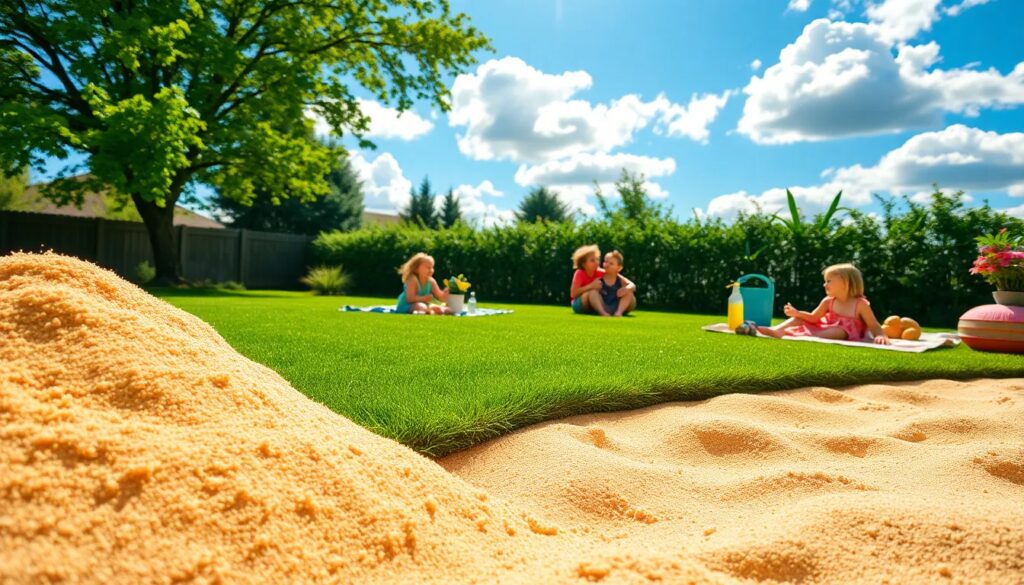
In this article, you will find essential information about using sand for artificial grass. From its benefits and disadvantages to the best types of sand, this guide covers everything you need to ensure your synthetic lawn looks fantastic.
What is sand infill for artificial grass?
Sand infill refers to the practice of adding sand, particularly silica sand, to the surface of artificial grass to enhance its performance. This infill helps to weigh down the turf, keeping it in place and preventing it from shifting or wrinkling over time. Additionally, sand infill provides a more natural feel to the synthetic grass, mimicking the texture of soil.
The primary purpose of sand infill is to support the turf fibers, allowing them to stand upright instead of flattening out under foot traffic. This is particularly important for maintaining the aesthetic appeal of an artificial lawn, as it ensures the grass retains its lush appearance.
Moreover, sand infill can also assist in improving drainage. When installed correctly, it allows rainwater to pass through the turf and into the ground, preventing waterlogging and ensuring the grass dries effectively after rainfall.
What are the benefits of using sand for artificial grass?
Utilizing sand for artificial grass comes with several advantages:
- Enhanced Stability: Sand adds weight to the turf, which helps keep it anchored and reduces the risk of movement.
- Improved Drainage: Properly distributed sand allows for better water flow, minimizing puddles and enhancing the overall durability of the lawn.
- Natural Feel: Sand infill provides a soft, natural feel underfoot, making the synthetic grass more pleasant to walk on.
- UV Protection: Most sands, especially silica sand, are resistant to UV rays, which helps to prevent the color of the grass from fading over time.
- Cost-Effective: Sand is generally affordable and convenient to source, making it an attractive option for homeowners and contractors alike.
These benefits make sand infill a popular choice among many who opt for artificial grass. It’s essential, however, to maintain the sand properly to reap these advantages fully.
What are the disadvantages of sand for artificial grass?
Despite its numerous benefits, there are some disadvantages of sand infill that homeowners should be aware of:
- Messiness: Sand can be messy, especially during heavy rains. It may wash away or create a dusty environment if not maintained properly.
- Odor Retention: In some cases, sand can retain odors, particularly if organic matter accumulates within the turf.
- Health Concerns: Some people may be sensitive to silica dust, which can be released during installation or maintenance.
- Drainage Issues: If not installed correctly, sand can lead to drainage problems, which may cause water to pool on the surface.
- Potential for Mold Growth: If the turf does not dry properly, moisture can lead to mold and mildew, affecting the longevity of the grass.
Understanding these disadvantages is crucial for making an informed decision about whether to use sand as infill for your artificial grass.
How to install sand infill on your artificial grass turf?
Installing sand infill requires careful attention to detail to ensure even distribution and effective performance. Here are the steps for a successful installation:
- Prepare the Area: Before installation, ensure the artificial turf is laid out correctly and has been properly secured.
- Choose the Right Sand: Select high-quality silica sand that is clean, round, and free from impurities to avoid clumping.
- Even Distribution: Use a drop spreader to evenly distribute the sand across the surface of the artificial grass.
- Leveling: Once the sand has been spread, use a broom to level the infill, working it into the turf fibers to support them.
- Maintenance: Regularly check for areas that may need additional sand and keep the turf clean by hosing it down.
Proper installation will ensure the artificial grass remains lush and functional, providing enjoyment for years to come.
Where to buy sand for artificial grass?
Finding the right place to buy sand for artificial grass is straightforward. Below are some options:
- Local Home Improvement Stores: Chains such as Home Depot or Lowe's often carry silica sand in convenient packaging.
- Landscaping Supply Centers: Specialized landscaping stores frequently have a variety of sand options suitable for turf infill.
- Online Retailers: Websites like Amazon or specialized turf suppliers provide options to purchase sand in bulk, which can be more economical.
- Construction Supply Companies: These businesses may offer larger quantities of sand at competitive prices.
It's advisable to compare prices and check the quality before making a purchase to ensure the best option for your needs.
What is the best sand for artificial grass?
The best sand for artificial grass infill is typically silica sand. Here are several reasons why it is highly recommended:
- Durability: Silica sand is known for its strength and longevity, ensuring that it withstands the elements.
- Natural Appearance: Its texture closely resembles natural soil, helping to make artificial grass look more lifelike.
- Non-toxic: Silica sand is safe for pets and children, making it an excellent choice for family-friendly environments.
- Minimal Maintenance: This type of sand requires less maintenance over time, allowing for a more hassle-free lawn.
Choosing high-quality silica sand will significantly enhance the performance and look of your artificial grass.
Can I use all-purpose sand for artificial grass?
While all-purpose sand may seem like a convenient choice, it is generally not recommended for artificial grass. Here’s why:
All-purpose sand often contains various sizes of grains, which can lead to uneven distribution and clumping. This inconsistency can negatively affect the performance of the turf, preventing it from draining properly and making it feel less natural underfoot.
Instead, silica sand is specifically designed for artificial grass applications and provides a more reliable solution. It is essential to select the right type of sand to maintain the look and feel of your synthetic lawn.
Related questions about sand for artificial grass
What kind of sand do you use for artificial grass?
The most suitable sand for artificial grass is silica sand, known for its durability and ability to retain the natural appearance of the turf.
Is sand necessary under artificial grass?
While sand is not strictly necessary, it provides significant benefits, including added stability, improved drainage, and a natural feel that enhances the overall aesthetics of the lawn.
What is the best sand base for artificial turf?
The best sand base is a high-quality silica sand that is free from contaminants and has a consistent grain size to ensure even distribution and effective drainage.
Can I use beach sand for artificial grass?
Beach sand is not recommended for artificial grass because it typically contains shells and organic material that can lead to clumping, odor retention, and drainage issues.