
Silica sand for artificial grass: benefits and considerations
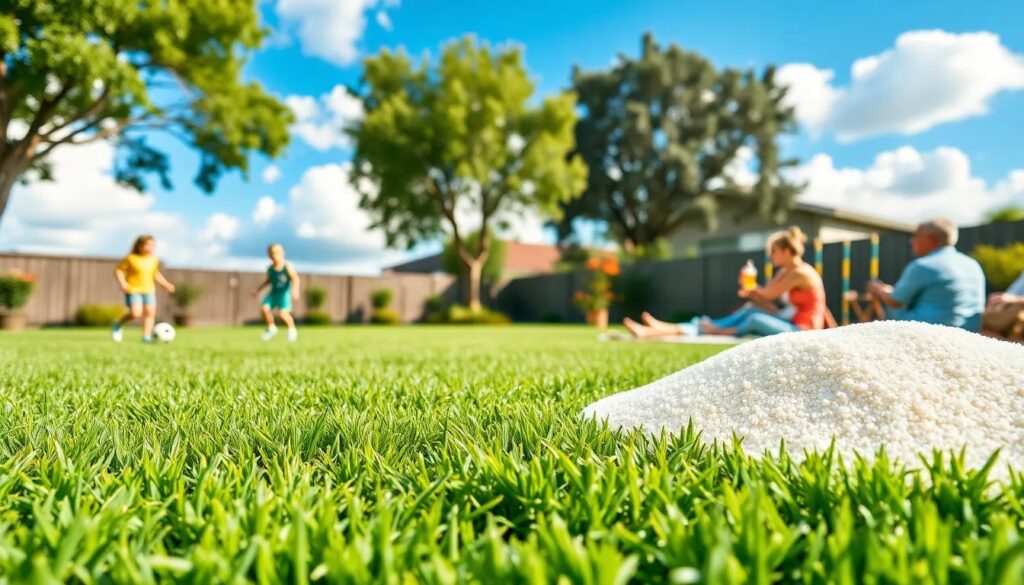
In this comprehensive guide, you will learn everything you need to know about silica sand for artificial grass, including its benefits, disadvantages, installation tips, and maintenance practices. Get ready to transform your synthetic lawn into a beautiful and functional outdoor space.
What is silica sand for artificial grass?
Silica sand is a popular infill material used in artificial grass applications. It is composed mainly of quartz, making it a durable and effective choice for enhancing the performance of synthetic turf. The sand acts as a stabilizer for the grass blades, providing essential support and mimicking the texture of natural soil.
This type of sand is available in various colors, including classic white and earthy tan, allowing homeowners to choose an infill that complements their landscape design. In addition to its aesthetic appeal, silica sand offers UV protection, which helps to maintain the color and appearance of your artificial grass over time.
Unlike organic materials, silica sand does not decompose, ensuring longevity and low maintenance for your lawn. However, it's crucial to select the right grade of silica sand to achieve optimal performance.
What are the benefits of using silica sand for artificial grass?
The use of silica sand for artificial grass comes with numerous advantages:
- Durability: Silica sand enhances the durability of artificial grass by providing stability and support, preventing the grass blades from flattening.
- Improved drainage: The granular nature of silica sand promotes better drainage, reducing puddles and enhancing the overall drainage efficiency of your synthetic lawn.
- UV protection: Silica sand offers UV resistance, helping to protect the turf from sun damage and fading, ensuring it looks vibrant for years.
- Fire resistance: This type of sand can improve fire resistance, making it a safer choice for certain climates and environments.
- Cost-effective: Priced at approximately $26.99 per 50 lb bag, silica sand is a budget-friendly option compared to other infill materials.
These benefits make silica sand an ideal choice for many homeowners looking to install or maintain artificial grass.
What are the disadvantages of silica sand for artificial grass?
While silica sand has many advantages, there are also some drawbacks to consider:
- Messiness: Silica sand can be messy during installation and may require frequent clean-up, especially if it gets displaced.
- Health concerns: Inhalation of silica dust can pose health risks. It’s essential to wear masks and take precautions during installation.
- Weight: The weight of the sand can make it challenging to spread evenly, especially for larger areas.
- Potential for compaction: Over time, silica sand may compact, which can affect drainage and the performance of the turf.
Understanding these disadvantages can help homeowners make informed decisions when selecting infill materials for their artificial grass.
How to install silica sand on your artificial grass?
Installing silica sand on artificial grass requires careful preparation and execution:
- Prepare the turf: Ensure that the artificial grass is correctly installed and free of debris before adding sand.
- Choose the right sand: Select the appropriate grade of silica sand, usually a finer grain for better coverage.
- Spread the sand: Use a seed spreader or shovel to distribute the sand evenly across the surface of the grass.
- Brush it in: Use a stiff-bristle broom to work the sand into the grass, ensuring that it fills the gaps between the blades.
- Rinse the turf: Lightly rinse the sand with water to help settle it and minimize airborne dust.
Following these steps ensures a proper installation, maximizing the benefits of silica sand for artificial grass.
Where to buy silica sand for artificial grass?
Silica sand can be purchased from various sources, including:
- Home improvement stores: Retailers like Home Depot or Lowe's often carry silica sand in their landscaping departments.
- Landscaping suppliers: Specialized landscaping companies may offer a range of silica sand options tailored for synthetic turf.
- Online retailers: Websites like Amazon and eBay provide easy access to silica sand, often with customer reviews to help inform your choice.
When purchasing, ensure that you select high-quality silica sand to achieve the best results for your artificial grass installation.
How often do you need to put sand on artificial grass?
The frequency of applying sand to your artificial grass depends on several factors, including:
Usage: If the turf is frequently used for sports or as a play area for pets, it may require more regular infill maintenance.
Weather conditions: Areas with heavy rainfall may experience displacement of sand, necessitating more frequent top-ups.
Generally, it is advisable to inspect your artificial grass annually and add sand as needed to maintain optimal performance and appearance.
Best practices for maintaining artificial grass with silica sand?
To keep your artificial grass in top condition while using silica sand, consider the following best practices:
- Regular raking: Rake the surface periodically to prevent compaction and ensure even distribution of sand.
- Rinsing: Lightly rinse the turf with a hose to remove dirt and debris while also helping to settle the sand.
- Weed control: Apply weed control measures to prevent unwanted growth in the turf.
- Annual inspection: Conduct an annual check-up to determine if additional sand or maintenance is needed.
Implementing these practices helps to prolong the life and beauty of your synthetic lawn while maintaining its functionality.
Frequently asked questions about silica sand for artificial grass
Is silica sand safe for artificial grass?
Yes, silica sand is generally safe for artificial grass, especially when used correctly. However, it is essential to take precautions during installation to avoid inhaling dust. Wearing masks and working in well-ventilated areas can mitigate any health risks.
How many bags of silica sand for artificial grass?
The number of bags required depends on the size of the area you are covering. A general guideline is to use about 1 to 2 pounds of silica sand per square foot of turf. For example, a 500 square foot area may need between 500 to 1000 pounds of sand, translating to approximately 10 to 20 bags of 50 lb silica sand.
What is the best sand to use on artificial grass?
The best sand to use on artificial grass is silica sand, specifically designed for turf applications. Look for options that are angular rather than rounded, as angular grains provide better support and stability for the grass blades.
How to put silica sand on artificial grass?
To apply silica sand to artificial grass, first ensure the turf is clean and dry. Then, spread the sand evenly using a seed spreader or by hand, followed by brushing it into the grass with a stiff broom. Finally, light rinsing helps with settling the sand.