
Artificial grass edging options for your landscape
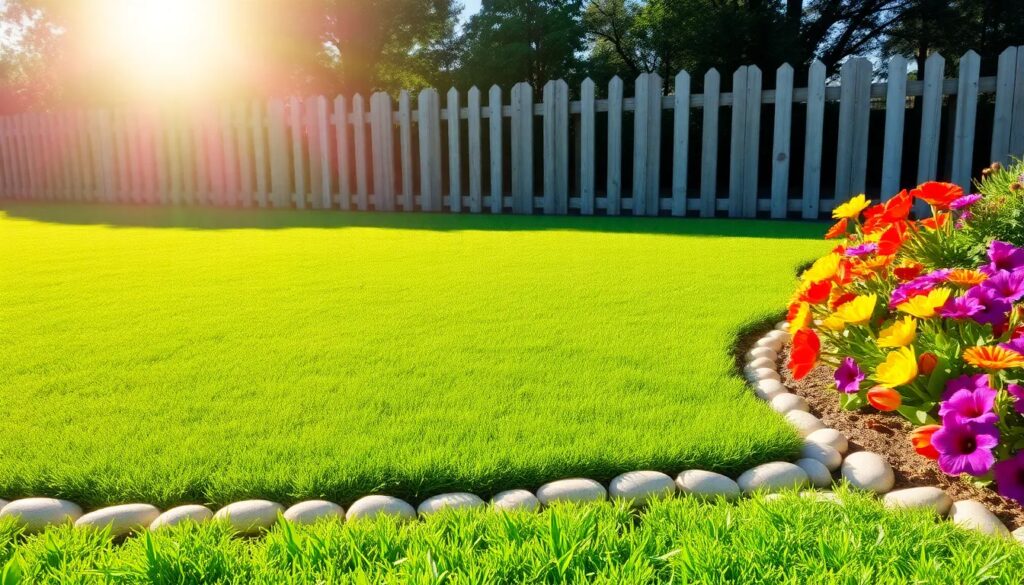
If you're considering landscaping with artificial grass, artificial grass edging is a crucial element to achieve a professional finish. This guide dives into everything you need to know about artificial grass edging, from its importance to the best options and installation tips.
What is artificial grass edging?
Artificial grass edging refers to the materials and methods used to create a clean boundary for synthetic turf installations. It helps define the perimeter of the grass, providing a polished look while preventing the turf from shifting. Various materials are available, including plastic, wood, and metal options.
Essentially, artificial grass edging acts as a barrier between the turf and other landscape elements, such as soil, rocks, or flower beds. This not only enhances the visual appeal but also increases the durability of the grass.
Common types of edging include concrete curbing, polyboard, and perimeter boards. Each of these materials serves a unique purpose, catering to different design and functional needs.
Why is artificial grass edging important?
The significance of artificial grass edging cannot be overstated. Primarily, it ensures that your synthetic turf maintains its shape and stays in place, even with environmental factors like weather changes and foot traffic.
Additionally, edging materials provide a finished look to landscaping projects, enhancing curb appeal. Without proper edging, turf can shift, creating unsightly gaps and leading to potential damage.
Moreover, using the right edging can help with maintenance. It allows for easier cleaning and upkeep of your lawn, ultimately extending the lifespan of your artificial grass.
What are the best options for artificial grass edging?
When it comes to choosing the best edging for artificial grass, several options stand out:
- Wonder Edge: Known for its eco-friendly design and easy installation, it allows turf to be tucked in without digging.
- Concrete curbing: Offers a robust and durable solution, creating seamless transitions between grass and other elements.
- Perimeter boards: Made of wood or composite materials, they provide a natural look and can withstand various weather conditions.
- Metal edging: Ideal for those seeking a sleek, modern appearance while providing excellent durability.
Selecting the right option depends on your specific landscaping needs, aesthetic preferences, and budget. Each of these artificial grass edging options can enhance your outdoor space significantly.
How to install artificial grass edging?
Installing artificial grass edging involves a few straightforward steps:
- Preparation: Measure the area where the edging will be installed, marking boundaries clearly.
- Digging a trench: For some materials, such as concrete or wood, you may need to dig a narrow trench to secure the edging.
- Securing the edging: Depending on the material, use spikes, adhesive, or cement to hold the edging in place.
- Tucking in the turf: Ensure that the artificial grass is properly tucked into the edging to achieve a neat finish.
It's essential to follow the manufacturer’s instructions for specific edging materials to ensure proper installation. This will help avoid issues like turf movement or damage over time.
Many homeowners find it beneficial to hire professionals for installation, especially for more complex designs. However, DIYers can successfully manage the installation with the right tools and guidance.
What are the benefits of using artificial grass edging?
Utilizing artificial grass edging comes with numerous benefits:
- Enhanced aesthetics: A well-defined edge gives a professional look to your landscape.
- Stability: Keeps turf in place, preventing shifting and gaps.
- Easy maintenance: Simplifies cleaning and upkeep, contributing to the longevity of your artificial grass.
- Versatility: Can be used in a variety of settings, including patios, gardens, and commercial landscapes.
Overall, proper artificial grass edging will ensure that your synthetic turf remains as stunning as the day it was installed.
Where to buy artificial grass edging near me?
Finding artificial grass edging is a straightforward process. Local home improvement stores, garden centers, and landscape supply shops typically carry a range of options. Additionally, many online retailers offer various edging materials that can be delivered directly to your home.
When searching for suppliers, consider looking for stores that specialize in landscaping or artificial grass installation, as they may offer specialized products such as Wonder Edge and concrete curbing. Local stores also provide the advantage of seeing the materials in person before purchasing.
Don’t forget to compare prices and product reviews online to ensure you’re getting the best quality for your budget. Sites like Amazon often have customer reviews that can guide your decision.
How much does artificial grass edging cost?
The cost of artificial grass edging can vary widely based on the material chosen and the size of the area to be edged. Typically, prices can range from $1 to $5 per linear foot for basic plastic or wooden edging. More durable options, such as concrete or metal edging, can cost anywhere from $5 to $15 per linear foot.
It’s essential to factor in additional costs for installation materials, such as spikes or adhesive. If hiring a professional, consider including labor costs, which can add significantly to your overall expenditure.
Investing in quality edging is worthwhile, as it can help prevent costly repairs in the future and maintain the aesthetic appeal of your landscape.
Related questions about artificial grass edging
What is artificial grass edging?
Artificial grass edging refers to the various materials and techniques used to create a defined border for synthetic turf installations. This includes options like plastic, wood, and metal, all designed to maintain the integrity and appearance of your lawn.
Why is artificial grass edging important?
Proper edging is essential for maintaining the shape of artificial grass, preventing shifting, and enhancing the overall aesthetics of landscaping. It also aids in maintenance and contributes to the turf's durability.
What are the best options for artificial grass edging?
Top choices for artificial grass edging include Wonder Edge, concrete curbing, perimeter boards, and metal edging. Each option offers unique benefits that cater to different aesthetic and functional needs.
How to install artificial grass edging?
Installation involves measuring the area, preparing a trench, securing the edging, and tucking in the turf. Following the manufacturer's instructions is crucial for effective installation.
What are the benefits of using artificial grass edging?
Benefits include enhanced aesthetics, stability for the turf, easier maintenance, and versatility for various landscaping settings.
Where to buy artificial grass edging near me?
Local home improvement stores, garden centers, and online retailers are great places to find artificial grass edging materials. Consider specialized landscaping stores for unique options.
How much does artificial grass edging cost?
The cost typically ranges from $1 to $15 per linear foot, depending on the material. Additional installation costs should also be considered when budgeting.
By understanding the importance and benefits of artificial grass edging, you can ensure a beautiful and long-lasting landscape that meets both aesthetic and functional requirements.