
Understanding the artificial grass base
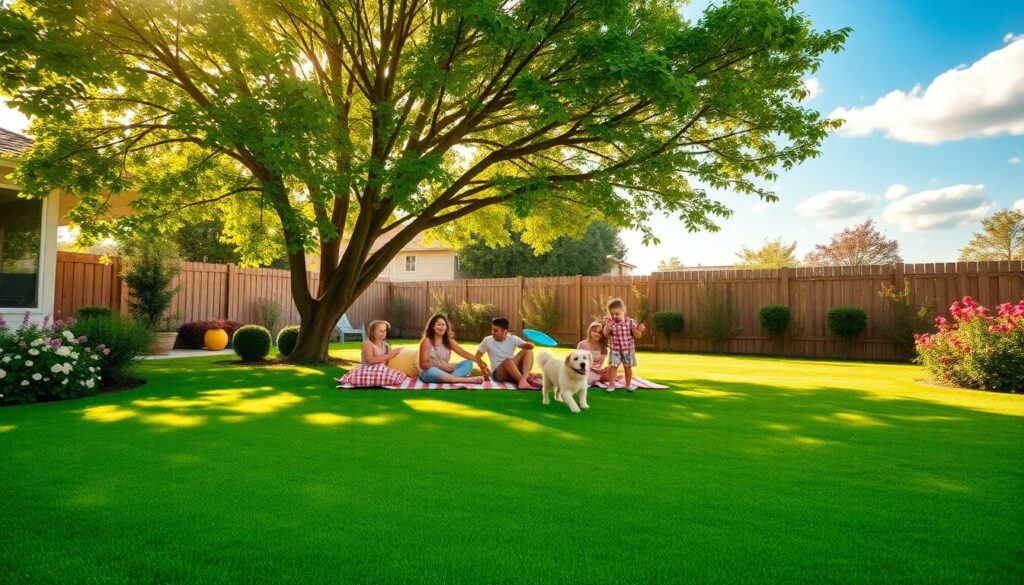
Discover the essential steps for preparing the base for artificial grass installation in this comprehensive guide. Learn about the materials, techniques, and considerations that ensure a long-lasting and durable artificial lawn.
How to prep the base for artificial grass
The installation of artificial grass requires meticulous preparation of the base to ensure optimal performance and longevity. Understanding the artificial grass base is crucial for achieving a successful installation. It involves removing the existing vegetation and creating a stable foundation that will support the artificial turf.
A well-prepared base minimizes the risk of issues like sinking, wrinkles, and pest problems. It’s essential to take the time to prepare the ground properly, utilizing recommended materials and compaction techniques to achieve the best results.
How is the artificial grass base prepared?
Preparing the artificial grass base begins with the removal of any existing grass, weeds, or debris. This step is critical to create a clean and level surface. Next, it’s recommended to dig down about 3 to 4 inches to ensure enough depth for the base material.
- Use a shovel or a sod cutter for removing the existing grass.
- Ensure smoothness by raking the area thoroughly.
- Check for drainage issues and address them before laying the base.
- Install a weed barrier to prevent unwanted growth.
After clearing the area, choose appropriate materials like Class II road base or decomposed granite. Spread the chosen material evenly across the prepared area, ensuring that it maintains a uniform thickness.
What are the best base materials for artificial turf?
Choosing the right base material is crucial for the durability of the artificial grass. The most recommended base materials include:
- Class II Road Base: This material provides excellent stability and drainage.
- Decomposed Granite: Ideal for DIY projects, it's easy to work with and compact.
- Sand: Often used as a top layer for added drainage.
Each material has its unique advantages. For instance, Class II road base offers great compaction, while decomposed granite is less dense and easier for smaller installations. Selecting the correct material depends on the specific requirements of your project.
Why is it necessary to prep the ground for turf?
Preparing the ground for artificial grass is vital for several reasons. First, it ensures the longevity of the turf by preventing issues such as sinking and wrinkles. A well-compacted base creates a stable environment for the artificial grass fibers.
Moreover, preparing the ground effectively allows for proper drainage. Without adequate drainage, water may pool on the surface, leading to mold growth or damage to the turf. A solid base also prevents pest intrusion, making it an essential step for maintaining a clean and safe environment.
How do I install artificial grass on soil?
Installing artificial grass on soil requires following specific steps. Begin by ensuring the base is compacted and leveled. Lay the artificial grass over the prepared area, ensuring it fits properly around edges and corners.
Use a utility knife to trim the grass to fit the area precisely. After fitting, secure the grass using landscape staples or adhesive, depending on the area size. Make sure to brush the grass fibers upright to achieve a natural look.
What are alternative base options for artificial grass?
If traditional base materials are not available, consider alternative options like:
- Crushed stone aggregates
- Cinder fill
- Recycled rubber
These materials can be effective substitutes but ensure they provide adequate drainage and stability for the artificial grass. For DIY enthusiasts, utilizing decomposed granite remains a popular choice due to its easy handling and effectiveness.
What special considerations exist for different terrains?
When preparing the base for artificial grass, special considerations should be made for various terrains. For example, if installing on slopes, it’s vital to ensure proper drainage to prevent erosion. Steeper areas may require additional stabilization measures.
For concrete surfaces, a different approach is necessary. You will need to apply a layer of sand or rubber underlay to create a comfortable foundation for the turf. In pet-friendly installations, consider using materials that facilitate drainage and minimize odor.
What tools are required for preparing the base?
To prepare the base for artificial grass effectively, the following tools are essential:
- Shovel or sod cutter
- Rake for leveling
- Compactor or vibratory plate compactor for solid compaction
- Utility knife for trimming grass
Having the right tools on hand makes the process smoother and ensures that the base is prepared correctly, setting the foundation for a durable artificial lawn.
Frequently asked questions about preparing artificial grass base
What is the best base for artificial grass?
The best base for artificial grass is typically a combination of Class II road base and decomposed granite. This combination offers a strong and compact surface that provides excellent drainage and stability.
What should I put down before installing artificial grass?
Before installing artificial grass, it’s vital to lay down a well-compacted base material. The recommended layer should be about 3 to 4 inches thick. This layer can be made of Class II road base or decomposed granite, which helps manage drainage and provides a solid foundation.
What is the cheapest base for artificial grass?
The cheapest base option for artificial grass is often decomposed granite or crushed stone. Both materials are affordable and can provide adequate support and drainage for your artificial turf project.
What kind of base is used for artificial turf?
Artificial turf typically requires a base made of materials like Class II road base, decomposed granite, or crushed stone. Each of these materials provides durability and effective drainage, essential for the longevity of the turf.
By following these guidelines and employing the right techniques and materials, you can ensure that your artificial grass base is well-prepared for a successful installation, maximizing the investment into your synthetic lawn.