
Cheapest way to lay artificial grass: a simple guide
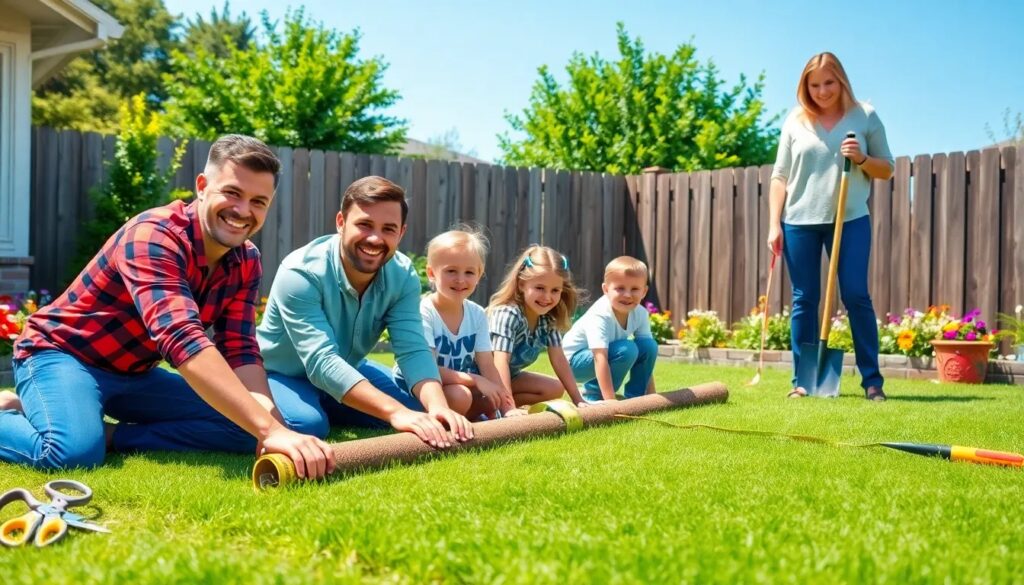
If you’re looking to install artificial grass without breaking the bank, you’ve come to the right place. This guide explores the cheapest way to lay artificial grass, providing practical tips and strategies to help you achieve a beautiful lawn affordably.
What is the cheapest way to lay artificial grass?
The cheapest way to lay artificial grass typically involves a DIY approach, which can save labor costs significantly. By sourcing materials yourself and avoiding professional installation, you can achieve substantial savings. Start by researching local suppliers for discounts, especially for rolls of turf that may have slight imperfections.
Using artificial grass remnants is another practical strategy. These pieces, left over from larger projects, can often be purchased at a fraction of the cost, allowing you to cover your area without overspending. Moreover, measuring your space accurately can prevent waste and save you money in the long run.
Lastly, consider the sub-base materials you choose. Opting for inexpensive sub-base materials like crushed stone or decomposed granite can keep costs down while providing a solid foundation for your grass.
How to plan and measure the area for artificial grass installation?
Planning and measuring your area correctly is crucial for a successful installation. Start by determining the dimensions of the space where you want to lay the grass. Use a tape measure to get precise measurements, and draw a simple sketch of the area. This will help visualize how much artificial turf you’ll need.
Another important step is to consider the layout. Avoid shapes that require excessive cutting of the turf, as this will not only increase your costs but also create more seams that may be prone to wear over time. Instead, aim for a smooth, rectangular or square layout.
- Measure the length and width of the area you intend to cover.
- Factor in any obstacles, such as trees or flower beds.
- Calculate the total square footage by multiplying length by width.
- Add a few extra square feet to accommodate mistakes or future repairs.
What are the best types of artificial grass for a budget?
When it comes to budget-friendly options, not all artificial grasses are created equal. Look for options that balance cost with quality. Generally, polypropylene turf is the most affordable but may not be as durable compared to polyethylene or nylon options. If you can stretch your budget slightly, polyethylene is a great choice, offering a soft feel and decent durability.
Another option is to consider budget-friendly turf alternatives that mimic the look and feel of natural grass without the price tag. These often come in various colors and textures, allowing for customization while still being cost-effective.
Lastly, don’t overlook seasonal sales or clearance items, especially at the end of the summer, where you can find good deals on artificial grass that may not be available year-round.
How can you use artificial grass remnants to save money?
Utilizing artificial grass remnants can be a game-changer for budget-conscious homeowners. Many suppliers offer these remnants at discounted prices, and they can be just as effective as new rolls. By strategically planning your lawn layout and incorporating these remnants, you can effectively stretch your budget.
Measure carefully to ensure the remnants will fit your intended area. You can combine different pieces to create a cohesive look while minimizing waste. This approach not only saves money but also promotes sustainability.
- Inquire with local suppliers about available remnants.
- Check online marketplaces for second-hand turf options.
- Consider patching or filling in small areas with remnants.
- Use remnants for decorative features like walkways or borders.
What steps are involved in preparing the ground for artificial grass?
Proper ground preparation is essential for the longevity of your artificial grass. Start by removing any existing grass, weeds, and debris from the area. This step can be labor-intensive, but it’s crucial for preventing future weed growth.
Next, ensure the ground is level. Use a rake to even out any high spots and fill low areas with sand or soil. A solid foundation is vital to prevent uneven surfaces that could lead to wear and tear over time.
After leveling, consider installing a weed barrier fabric. This will help keep weeds at bay and prolong the life of your lawn. Finally, compact the soil to create a stable base before laying your turf.
How to secure the edges and seams of artificial turf?
Securing the edges and seams of your artificial grass is critical to achieving a professional finish. Start by using landscape staples or nails to secure the perimeter of the turf. This helps prevent lifting and curling over time.
For seams, use seam tape and adhesive specifically designed for artificial grass. It's essential to align the seams perfectly to avoid any visible gaps. Properly securing these areas not only enhances the appearance but also improves the turf's durability.
- Lay the turf out, ensuring the seams are tight and aligned.
- Apply seam tape underneath the seams and press the edges together.
- Use heavy weights or bricks to hold the seams while the adhesive sets.
- Trim any excess turf along the edges for a clean finish.
What maintenance tips will keep your artificial grass looking fresh?
Even low-maintenance, artificial grass requires some care to keep it looking its best. Regular brushing is essential to keep the fibers upright and free from debris. Using a stiff broom or a rake designed for synthetic grass can help maintain its appearance.
Additionally, consider rinsing the turf with water occasionally to remove dust and dirt. This is particularly important if you have pets, as it helps to eliminate odors and stains.
- Remove leaves and debris regularly to prevent mold growth.
- Check for any damage and address repairs promptly.
- Ensure proper drainage to avoid water pooling.
- Consider using infill to maintain the turf’s structure.
Related questions about installing artificial grass
What is the cheapest base for artificial grass?
The cheapest base for artificial grass typically consists of crushed rock or gravel, which provides excellent drainage and stability. This base is not only cost-effective but also facilitates proper water flow, reducing the chances of pooling and maintaining the integrity of the turf.
Can I just lay artificial grass on dirt?
While it is possible to lay artificial grass directly on dirt, it is not recommended. A properly prepared base ensures that the grass remains flat and free from bumps over time. Skipping this step can lead to drainage issues and uneven surfaces.
What is the best thing to put under artificial grass?
Using a combination of materials is ideal for the underlayment of artificial grass. A mixture of sand and crushed rock provides a solid and stable base. Additionally, installing a weed barrier can help prevent invasive plants from disrupting your lawn.
How can I save money on artificial grass?
To save money on artificial grass, consider buying remnants or discounted rolls, planning your layout to minimize waste, and opting for DIY installation instead of hiring professionals. Additionally, researching local suppliers and seasonal sales can lead to significant savings.
For those keen on DIY projects, this article has provided a thorough guide on the cheapest way to lay artificial grass. By focusing on careful planning and cost-effective materials, anyone can achieve a beautiful lawn without breaking the bank.