
Artificial grass on concrete: installation guide and tips
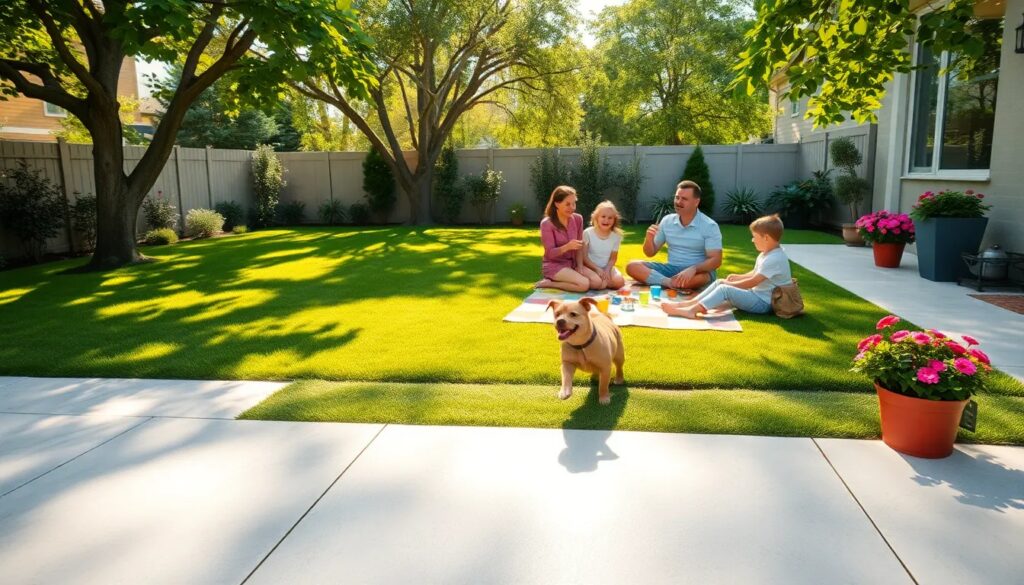
If you're considering a transformation of your concrete space, installing artificial grass on concrete can be a fantastic solution. This guide will provide you with essential tips and steps to ensure a successful installation.
How to properly install artificial grass on concrete?
Successfully installing artificial grass on concrete involves several critical steps. First, ensure the concrete surface is clean, dry, and free of any debris. This is vital as any dirt or moisture can lead to poor adhesion and longevity issues.
Next, inspect the concrete for cracks or imperfections. Repair any damages using a concrete filler to create a smooth and even surface. This preparation step is essential because a flat surface will prevent the turf from wrinkling or bubbling over time.
Once your surface is ready, you can start laying down the artificial grass. Measure the area accurately to cut the turf to size. After cutting, unroll the grass over the concrete, ensuring it aligns properly with the edges.
Lastly, secure the grass using the appropriate adhesive and ensure it adheres well to the concrete for maximum durability.
What are the benefits of installing artificial grass on concrete?
There are numerous advantages to using artificial grass on concrete. First and foremost, it enhances the aesthetic appeal of dull concrete surfaces. Whether for a patio, balcony, or commercial space, artificial grass can create a vibrant atmosphere.
- Safety: Artificial turf provides a softer surface, which significantly reduces slip hazards compared to concrete.
- Durability: High-quality synthetic turf can withstand heavy foot traffic, making it ideal for various environments.
- Versatility: Artificial grass is customizable, allowing it to fit any shape or size.
- Temperature Regulation: It remains cooler than concrete, making outdoor spaces more pleasant during hot months.
Furthermore, maintaining artificial grass is generally easier than maintaining natural grass, as it doesn't require mowing, watering, or fertilizing.
Can you just lay artificial grass directly on concrete?
While it is generally possible to lay artificial grass directly on concrete, it is not the recommended method without proper preparation. Direct installation can lead to drainage issues and reduce the lifespan of the turf.
Before laying the grass, consider adding a layer of drainage material. This is crucial as it will allow water to flow through and prevent pooling, which can damage the turf and lead to mold growth.
Additionally, incorporating shock pads beneath the turf can enhance comfort and safety, especially for high-traffic areas. This added cushioning will provide a softer landing surface, reducing the risk of injuries.
What tools and materials do you need for laying synthetic turf on concrete?
Effective installation of synthetic turf on concrete requires specific tools and materials. Here’s a list of what you will need:
- Artificial grass rolls
- Concrete adhesive or turf glue
- Seam tape (if necessary for joining pieces)
- Utility knife for cutting the turf
- Measuring tape for accurate dimensions
- Shock pads (optional for added comfort)
- Concrete filler for surface repairs
Having all these tools at hand will streamline the installation process and help achieve a professional finish.
How do you ensure proper drainage for artificial grass on concrete?
Proper drainage is vital when installing artificial grass on concrete. Without effective drainage, water can accumulate, leading to potential damage.
To ensure adequate drainage, consider the following steps:
- Examine the slope of the concrete. If necessary, create drainage holes or channels to facilitate water movement.
- Install drainage tiles beneath the turf if the concrete has a flat surface that traps water.
- Ensure that any drainage systems are unobstructed and properly positioned to direct water away from the installation area.
By addressing drainage before laying down the turf, you will enhance its longevity and performance.
What is the best adhesive for artificial grass to concrete?
The choice of adhesive is crucial when installing artificial grass on concrete. The best type of adhesive for this job is a high-quality, moisture-resistant turf glue. This type of adhesive is specially designed to bond synthetic materials to hard surfaces like concrete.
It is important to apply the adhesive evenly across the concrete surface to prevent any weak points in the installation. Follow the manufacturer's instructions for drying times and application methods to ensure a secure bond.
You may also consider using seam tape for joint areas, which can provide additional strength and stability, especially in larger installations.
Frequently asked questions about artificial grass on concrete installations
Can you put artificial grass on concrete?
Yes, it is possible to put artificial grass on concrete, but proper preparation is essential. Ensure the surface is clean and repair any damage before laying down the turf. Without proper preparation, the installation may not last as long.
Does artificial turf drain well on concrete?
Artificial turf can drain adequately on concrete if proper drainage measures are in place. It's important to ensure that the concrete is sloped correctly and, if necessary, to install drainage holes or tiles to facilitate water flow.
How to get fake grass to stick to concrete?
To ensure that fake grass sticks well to concrete, use a strong, moisture-resistant adhesive. Apply the adhesive evenly on the clean concrete surface and then lay the turf down carefully to avoid air pockets. Make sure to allow sufficient drying time as per the adhesive instructions.
What is the best adhesive for artificial grass to concrete?
The best adhesive for bonding artificial grass to concrete is a high-quality turf glue that is designed for outdoor applications. This type of adhesive offers strong adhesion and resistance to moisture, ensuring that your turf remains securely in place.
By following the steps outlined in this article, you can successfully install artificial grass on concrete surfaces. Remember to always prioritize proper preparation, drainage, and the right tools to ensure a durable and attractive installation.