
Artificial grass for dogs: everything you need to know
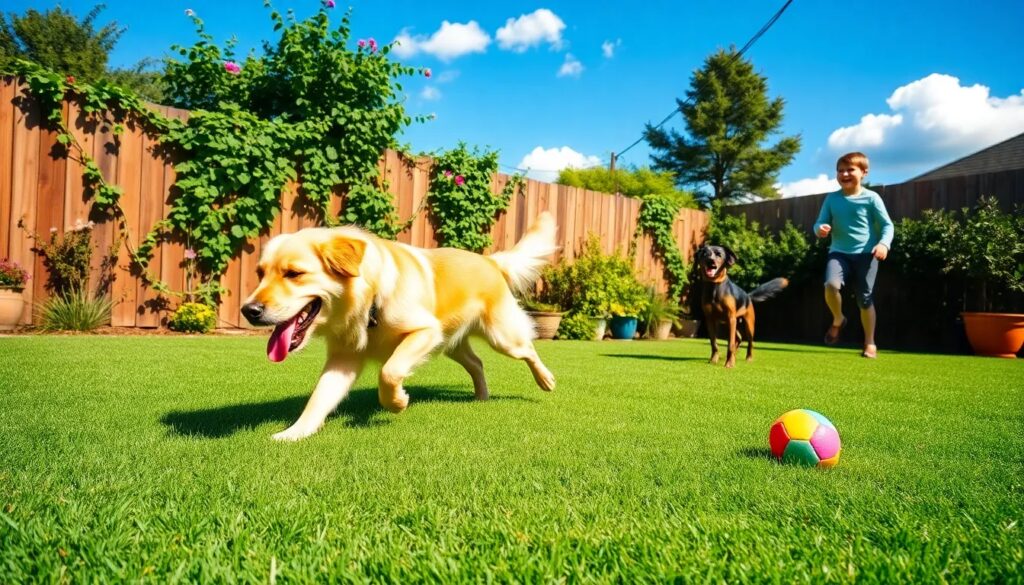
Discover how artificial grass for dogs can transform outdoor spaces for pet owners, providing a safe, clean, and enjoyable environment for furry friends. This guide covers everything you need to know about installation, benefits, costs, and more.
What is artificial grass for dogs?
Artificial grass for dogs is a specialized synthetic turf designed to withstand the wear and tear of pet use. Unlike regular grass, this type of turf is engineered with materials that are durable and easy to maintain. It mimics the look and feel of natural grass but offers significant advantages for pet owners.
This turf often features drainage systems that allow for quick removal of liquids, making it a hygienic choice for dog owners. Moreover, many products come with antimicrobial technology to prevent odors and bacteria buildup, ensuring a clean surface for pets to play on.
Different brands, such as NexGen Lawns and K9Grass, offer various options tailored specifically for dogs, catering to different environments, including homes and dog parks.
Why is artificial grass preferred for pets?
Pet owners often choose artificial grass for dogs due to its numerous benefits compared to traditional grass. One major advantage is low maintenance. Unlike natural grass, synthetic turf doesn't require mowing, watering, or fertilizing, making it an ideal choice for busy pet owners.
Additionally, artificial grass is resistant to pet-related damage such as digging and pee spots. This turf can handle the rough and tumble of playful dogs without showing significant wear over time.
Another reason for its popularity is the hygienic aspects. The turf is designed to drain quickly, which helps prevent puddles and standing water, reducing the risk of mosquito breeding and keeping the area cleaner.
What are the benefits of artificial grass for dogs?
- Durability: Designed to withstand heavy foot traffic and pet activity.
- Hygiene: Antimicrobial properties help in combating odors and bacteria.
- Drainage: Efficient drainage systems prevent water accumulation.
- Safety: Non-toxic materials ensure pets are safe while playing.
- Versatility: Suitable for various environments, from backyards to balconies.
With these benefits, many pet parents find that artificial grass for dogs offers a practical solution to outdoor space challenges. Moreover, it provides a consistent area for pets to play and relieve themselves without muddy messes.
For those concerned about environmental impact, many companies offer sustainable turf options that use recycled materials. This makes artificial grass not only a pet-friendly choice but also an eco-friendly one.
How is artificial grass for dogs installed?
The installation of artificial grass for dogs involves several key steps to ensure a proper fit and functionality. First, the area must be cleared of any existing grass and debris. Proper preparation is crucial for a successful installation.
Next, a base layer of crushed stone or gravel is usually added to promote drainage. This layer must be compacted to create a stable foundation. Once the base is ready, the synthetic grass is laid out and cut to fit the area.
After placement, seams are secured, and infill material is added to support the blades of grass, providing a realistic look and feel. Finally, the turf is brushed to ensure the fibers stand upright and create a natural appearance.
What is the cost of artificial grass for dogs?
The cost of artificial grass for dogs can vary widely based on several factors, including the type of turf, area size, and installation complexity. On average, homeowners can expect to pay between $5 to $20 per square foot for materials and installation.
For those considering DIY installation, this can significantly reduce costs. However, it's important to factor in the price of necessary tools and materials. Professional installation may cost more, but it often comes with a warranty and ensures proper installation.
Investing in artificial grass for dogs may seem high initially, but many pet owners find that the reduced maintenance costs and longevity of the product make it a worthwhile investment in the long run.
Are there any disadvantages to using artificial grass for dogs?
While artificial grass for dogs presents many advantages, there are some potential drawbacks to consider. One common concern is the heat retention of synthetic turf, which can become excessively hot in direct sunlight, potentially causing discomfort for pets.
Additionally, some pet owners worry about the initial investment required for installation. Although the long-term benefits often outweigh this cost, the upfront expense can be a deterrent for some.
Another aspect to consider is that, despite being durable, synthetic grass can still wear down over time, especially in high-traffic areas. Regular maintenance and cleaning are necessary to keep it in good condition.
Where can I buy artificial grass for dogs?
There are numerous retailers where pet owners can purchase artificial grass for dogs. Online platforms such as Amazon and specialized pet supply websites often have a range of options available. Additionally, local home improvement stores might carry synthetic turf suitable for pets.
Brands like Natura Turf and Cesar Millan's K9Grass offer products tailored specifically for pet owners, ensuring quality and suitability for dogs. It's advisable to compare different options and check customer reviews to find a product that meets specific needs.
Another option is to consult with landscaping professionals who specialize in pet-friendly solutions. They can provide recommendations based on experience and knowledge of the best products available.
Related Questions About Artificial Grass for Dogs
Can dogs wee and poo on artificial grass?
Yes, dogs can wee and poo on artificial grass. In fact, many synthetic turf products are designed specifically to handle pet waste. The drainage systems allow urine to flow through, and the turf can be easily cleaned with water. However, it's essential for pet owners to rinse the area regularly to prevent odors.
How do I stop my artificial grass from smelling of dog urine?
To prevent odors from developing on artificial grass for dogs, regular maintenance is key. Rinsing the turf with water after your dog urinates helps dilute the urine and minimize smells. Additionally, using an enzymatic cleaner specifically designed for pet waste can effectively eliminate odors.
What are the negatives of artificial grass?
Some negatives include heat retention in direct sunlight, which can make the surface uncomfortable for pets, especially in hot weather. Additionally, the initial cost can be higher than traditional grass. Regular maintenance is still required to ensure the turf remains clean and free of debris.
What is the best artificial grass if you have dogs?
The best artificial grass for dogs depends on specific needs. Look for products with good drainage and antimicrobial features. Brands like K9Grass are often recommended due to their durability and pet-friendly design. It's best to read reviews and consult experts to find the right option for your space.