
Can dogs pee on artificial grass?
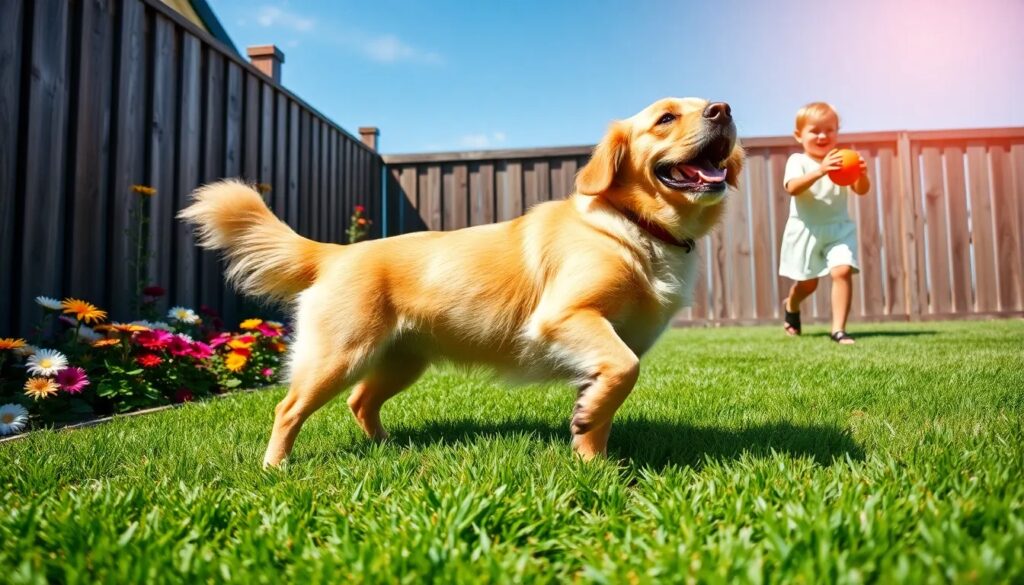
In this article, we explore whether can dogs pee on artificial grass and provide essential information for pet owners. Discover the safety, maintenance, and advantages of artificial turf for your furry friends.
How safe is artificial turf for dogs?
Artificial turf is generally considered a safe option for dogs. Most products are designed to be non-toxic and free of harmful chemicals. This means pet owners can rest assured that their pets are not exposed to any dangerous substances while playing or resting on the grass.
Moreover, the design of artificial turf includes features that support a safe outdoor environment. The materials used are durable and resistant to wear, allowing dogs to run and play without the risk of injury. This makes it an ideal choice for pet owners seeking a low-maintenance solution.
It is crucial to choose quality artificial turf products specifically marketed as pet-friendly. These types typically have enhanced drainage capabilities and are easy to clean, ensuring that your dog's play area remains hygienic.
Is artificial grass toxic to dogs?
Artificial grass is typically non-toxic for dogs, but caution should still be taken when selecting a brand. Always opt for products that are labeled as pet-safe and free of harmful chemicals. This ensures that your furry companions can enjoy their time outdoors without health risks.
While the turf itself is safe, it is essential to monitor your dog's activity on it. If your dog tends to chew or ingest parts of the turf, this could pose a risk of choking or gastrointestinal issues. In such cases, it may be best to discourage this behavior or consider alternative materials.
Overall, the safety of artificial grass for dogs highly depends on product quality and proper maintenance. Regular cleaning and upkeep can help maintain a safe and healthy play area for your pets.
Can dogs pee and poop on artificial grass?
Yes, can dogs pee on artificial grass. The porous backing of synthetic grass allows for adequate drainage, which means that urine will not pool on the surface. However, it's essential to regularly clean the turf to prevent odor buildup and potential health hazards.
When it comes to solid waste, dog owners should manually remove feces. While the turf can handle some moisture, solid waste can lead to unpleasant odors if not promptly cleaned. A simple pick-up and rinsing of the area can help keep the grass fresh.
In conclusion, with proper maintenance and regular cleaning, artificial grass can serve as a suitable bathroom option for dogs.
Does dog urine damage artificial turf?
Dog urine generally does not damage artificial turf if it is properly maintained. The drainage system in most high-quality synthetic grasses is designed to handle urine effectively. However, if left untreated, urine can lead to unpleasant odors and discoloration over time.
To minimize any potential damage, pet owners should promptly clean up after their dogs. Rinsing the affected area with water can help dilute the urine and prevent buildup. Regular cleaning will ensure that your artificial grass remains in good condition for years.
Additionally, some artificial turfs come with built-in odor control features, which can be beneficial for pet owners. These products can help manage the smell associated with dog urine, making it easier to maintain a pleasant outdoor space.
How to maintain artificial grass when you have dogs?
Maintaining artificial grass with dogs involves a few key practices to ensure cleanliness and longevity. Here are some effective methods for maintaining artificial grass:
- Regularly remove solid waste to keep the area clean.
- Rinse the turf periodically to wash away any urine and reduce odors.
- Use a mixture of water and vinegar to help control lingering smells.
- Brush the grass to keep the fibers upright and prevent matting.
- Inspect for any damage or wear, addressing issues promptly.
Incorporating these practices into your routine will help keep your artificial grass looking great and enhance your pet's outdoor experience.
What can you use under artificial grass for dogs?
When installing artificial grass for dogs, the underlayment is crucial for ensuring proper drainage and cushioning. Here are some materials often used beneath artificial turf:
- Crushed rock: Provides excellent drainage and a stable base.
- Rubber infill: Adds cushioning and can help reduce odor.
- Geo-textile fabric: Keeps weeds from growing while allowing for drainage.
- Pea gravel: Offers good drainage and is dog-friendly.
Choosing the right material for the underlayment can make a significant difference in the performance and longevity of your artificial grass.
How to get rid of dog urine smell on artificial grass?
To effectively manage and eliminate dog urine smell on artificial grass, consider the following tips:
- Immediately clean up urine by rinsing the area with water.
- Use a vinegar-water solution to neutralize odors.
- Consider enzyme-based cleaners that break down urine compounds.
- Install a drainage system to ensure proper water flow under the turf.
By implementing these strategies, pet owners can maintain a fresh-smelling outdoor space, ensuring that their dogs enjoy their time outside without unpleasant odors.
Questions related to artificial grass for dogs
Will dog pee ruin artificial grass?
Dog pee typically does not ruin artificial grass, as long as proper maintenance is performed. Regular cleaning and rinsing of the area can help prevent discoloration and odors. Quality artificial turf is designed to handle pet waste, making it a favorable choice for dog owners.
What gets rid of dog pee smell on artificial grass?
To eliminate dog pee smell on artificial grass, rinse the area immediately after urination. Using a vinegar solution or enzyme cleaner can also effectively neutralize odors. Implementing a regular cleaning routine will further help maintain a fresh-smelling environment.
What are the cons of artificial grass with dogs?
Some cons of using artificial grass for dogs include the potential for odor buildup if waste is not promptly cleaned, and initial installation costs, which can be higher than natural grass. Additionally, certain dogs may find the surface less comfortable than grass during hot weather.
How do I get my dog to pee on artificial grass?
To encourage your dog to pee on artificial grass, lead them to the area regularly, especially after meals and playtime. You can also use positive reinforcement, rewarding them with treats when they use the turf. Consistency and patience are key in training your dog to adapt.