
Pros and cons of artificial grass with dogs: what you need to know
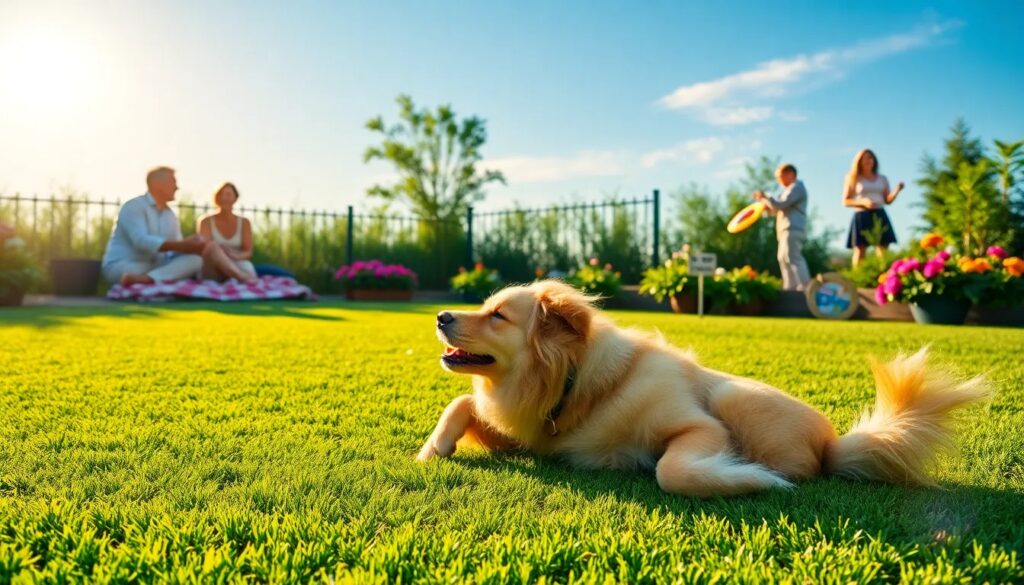
Artificial grass has become a popular choice among pet owners, particularly those with dogs. This comprehensive guide explores the pros and cons of artificial grass with dogs, providing valuable insights for those considering this alternative for their pets.
What are the pros and cons of artificial grass with dogs?
When evaluating artificial grass for dogs, it’s important to weigh both the advantages and disadvantages. Understanding these can help pet owners make an informed decision that best suits their lifestyle and their dog’s needs.
One major advantage is the low-maintenance nature of artificial grass, which requires no mowing, watering, or fertilizing. This means more time for playing and less time spent on yard work.
On the downside, when exposed to high temperatures, artificial grass can become quite hot, potentially causing discomfort for dogs. It's essential to monitor the temperature of the grass to ensure your pet's safety.
What are the advantages of artificial turf for dogs?
There are several notable benefits to using artificial turf for dogs. Firstly, it’s incredibly durable and able to withstand heavy foot traffic, making it perfect for active pets. Additionally, artificial grass can resist damage from pet waste, ensuring that it stays looking fresh and clean.
- Minimizes allergens and pests, promoting a healthier play environment.
- Eliminates the need for harmful pesticides or herbicides.
- Provides a consistent surface that is less prone to muddy areas.
Another advantage is the reduction of mud tracked into homes, which is a common issue with natural grass. With synthetic grass, pet owners can enjoy a cleaner home without the hassle of constant cleaning.
What are the disadvantages of artificial grass for dogs?
Despite its benefits, there are also certain disadvantages to consider. For instance, artificial grass can heat up significantly in the sun, which may not be suitable for all dog breeds, particularly those with thick fur.
Moreover, some dogs may find it less appealing compared to natural grass due to its texture. It's crucial to observe how your dog interacts with the surface.
- Limited cooling properties, which could lead to overheating.
- Potential for odors if not cleaned regularly.
- Higher initial installation costs compared to natural grass.
These factors should be weighed against the benefits to make an informed choice regarding the installation of artificial turf.
How to choose the best artificial grass for dogs?
Selecting the right artificial grass involves several considerations. Look for pet-friendly varieties that are specifically designed to withstand pet activities and are easy to clean. Ensure the turf has adequate drainage to prevent pooling of liquids, which can lead to unpleasant odors.
Additionally, opt for grass that is UV resistant to avoid fading and wear from sunlight exposure. Some products even come with built-in antimicrobial properties to help combat bacteria and odors.
Consider consulting with professionals who specialize in installing artificial turf for dogs to get expert recommendations based on your specific needs.
Is artificial grass too hot for dogs?
This is a common concern for pet owners. Artificial grass can indeed become hot, especially in direct sunlight. The temperature of the turf can be significantly higher than that of natural grass.
To mitigate this, provide shaded areas within your yard to help keep your dog cool. Additionally, consider watering the grass periodically to cool it down, especially on hot days.
Choosing lighter-colored turf can also help, as it tends to absorb less heat compared to darker shades. Regularly checking the surface temperature before allowing your dog to play is advisable.
What are the best pet-friendly products for artificial grass?
When maintaining artificial grass, it’s important to use pet-friendly products. Opt for cleaning solutions that are non-toxic and specifically designed for synthetic surfaces. Regularly rinsing the grass with water can help remove waste and prevent buildup of odors.
- Environmentally safe detergents for odor removal.
- Specialized turf deodorizing products.
- Pet-safe disinfectants to keep the area hygienic.
Additionally, consider products that break down pet waste effectively, making cleanup easier and maintaining a pleasant space for your dogs.
How to properly maintain artificial turf for dogs?
Proper maintenance of artificial turf is crucial in keeping it safe and clean for dogs. Start by removing any debris or waste promptly to prevent odors. Regularly brushing the grass can help keep the fibers standing upright and free from clumps.
Periodically rinsing the turf with a hose helps wash away dirt and pet waste, maintaining a fresh appearance. Applying a pet-safe deodorizer can help eliminate any lingering odors.
- Brush the turf at least once a week to keep it neat.
- Rinse the area regularly, particularly after heavy use.
- Use pet-safe cleaning products to ensure safety for your pets.
Staying proactive in maintenance will ensure your artificial grass remains in excellent condition for your furry friends.
Questions related to the use of artificial grass for dogs
What are the cons of artificial grass with dogs?
Some of the main disadvantages include the potential for heat retention, which can make the surface uncomfortable for dogs. Additionally, if not cleaned properly, artificial grass can develop odors over time.
Dogs may also find artificial turf less appealing compared to the natural texture of grass. Monitoring how your dog interacts with the surface is essential to ensure they are comfortable.
Does dog pee smell on fake grass?
Dog urine can indeed leave a smell on artificial grass if not cleaned promptly. Regular rinsing and the use of pet-safe deodorizers can mitigate odors effectively.
Ensuring proper drainage is also vital, as standing urine can lead to a more persistent smell. Routine maintenance is key to keeping your turf fresh and odor-free.
What are the negatives of artificial grass?
Aside from potential heat retention, another negative aspect is the upfront costs associated with installation. Some pet owners may also find that their dogs are less inclined to use artificial grass compared to natural grass.
Finally, in some configurations, artificial grass can be prone to wear over time, particularly in high-traffic areas. Therefore, proper selection and maintenance are crucial.
Can dogs pee and poop on artificial turf?
Yes, dogs can pee and poop on artificial turf. However, it’s essential to clean the area thoroughly after any elimination to prevent odors and maintain hygiene.
Using a hose to rinse the area after your dog uses it is a recommended practice. In addition, utilizing turf that has good drainage can make cleanup easier.
Artificial grass can be a great addition for dog owners, providing a low-maintenance and durable option. By understanding the pros and cons of artificial grass with dogs, pet owners can make informed choices that benefit both their yard and their pets.