
Artificial grass and pets: what you need to know
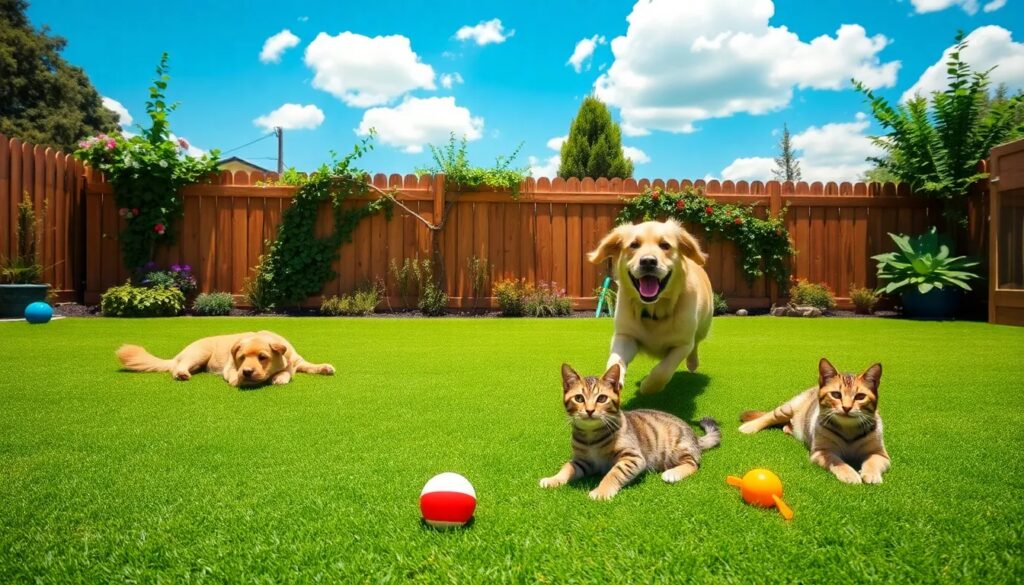
Discover the advantages and considerations of using artificial grass for pet owners. This article explores how synthetic turf can transform your yard into a pet-friendly paradise while addressing common concerns.
Pros and cons of artificial grass for dogs
When contemplating the switch to artificial grass for pets, it's essential to weigh the benefits and drawbacks. On the positive side, synthetic grass is highly durable, making it suitable for the rough play of dogs. It resists digging and scratching, which is a common issue with natural lawns.
Moreover, artificial grass can save time and effort on maintenance. No more mowing, fertilizing, or worrying about patchy areas. It also provides a clean surface that helps reduce mud tracking into your home.
On the downside, one of the concerns is that artificial grass can get hot under direct sunlight, which might be uncomfortable for pets. Additionally, it requires regular cleaning to prevent odors caused by pet waste.
Pet-friendly artificial grass: the ultimate yard upgrade for dog owners
Upgrading to synthetic grass offers a variety of benefits tailored specifically for pet owners. The primary advantage is its ability to maintain a pristine appearance regardless of weather conditions or heavy usage by pets.
Artificial grass is designed to be resilient against the wear and tear that comes with pet ownership. It’s non-toxic and doesn’t need harmful chemicals, making it a safer option for pets. Furthermore, it provides excellent drainage, allowing pet waste to be easily washed away.
- Weather-resistant
- Non-toxic materials
- Easy to clean and maintain
- Reduces mud and dirt indoors
What are the benefits of artificial grass and pets?
The combination of artificial grass and pets offers multiple benefits for dog owners. For one, it provides a consistent and comfortable surface for pets to play on. This can lead to fewer injuries from slips or falls on uneven natural grass.
Additionally, synthetic grass helps in conserving water, which is an increasingly important factor for homeowners looking to reduce utility bills. The elimination of mud patches also means cleaner paws and less mess inside the house.
Overall, artificial grass creates a safe and enjoyable environment for pets, allowing them to roam freely without the typical concerns associated with natural lawns.
How does artificial grass compare to natural grass for dogs?
Comparing artificial grass to natural grass reveals significant differences in maintenance and durability. While natural grass requires regular upkeep, including watering, mowing, and fertilization, synthetic grass is much simpler to manage.
Furthermore, artificial turf is less prone to wear from the energetic activities of dogs. It remains lush and intact, even after heavy use. Natural grass can become patchy and muddy, especially after rain, which can be a hassle for pet owners.
However, it's crucial to note that natural grass can offer a cooler surface. During hot summer days, artificial grass may heat up, requiring pet owners to monitor their pets closely.
Is artificial grass safe for dogs?
Safety is a top priority for any pet owner considering artificial grass. Generally, synthetic turf is deemed safe for dogs. Most products are made from non-toxic materials that do not present health risks to pets.
Moreover, synthetic grass does not harbor pests like fleas and ticks, which are common issues with natural lawns. By eliminating soil contact, the risk of infestations significantly decreases.
That said, it's essential to choose high-quality artificial grass that meets safety standards. Regular cleaning and maintenance will also help in keeping the surface safe and hygienic for pets.
What maintenance is required for artificial grass with pets?
Maintaining artificial grass when you have pets is quite straightforward. The primary tasks involve regular cleaning to manage pet waste and odors. Owners should scoop up any solid waste and rinse the area with water to prevent lingering smells.
It's also advisable to use a mild, pet-safe disinfectant occasionally to sanitize the surface. A good practice is to hose down the turf weekly, especially in high-use areas, to keep it fresh.
- Scoop waste daily
- Rinse with water weekly
- Use pet-safe disinfectant
- Brush the fibers to maintain appearance
How to choose the best artificial grass for dogs?
Selecting the right artificial grass for your pets involves considering a few key factors. First, look for grass that is specifically designed for pets, as it will have enhanced durability and drainage properties.
Consider the pile height and density of the grass. Low-density, short fibers are often more resistant to wear from pets. Additionally, check if the product has UV protection to prevent fading over time.
Finally, always choose a brand that guarantees a non-toxic and safe product for animals to ensure their health and safety while playing.
What are the costs associated with artificial grass for pets?
The installation of artificial grass for pets can vary significantly in cost, typically averaging between $11 and $16 per square foot. Factors influencing the price include the quality of the turf, the complexity of the installation, and local labor costs.
While the initial investment might seem high, many pet owners find that the long-term savings on maintenance and water bills make it worthwhile. Moreover, synthetic grass can last over 20 years, making it a cost-effective solution.
In addition, budget for ongoing maintenance costs, such as cleaning supplies and potential repairs, to keep the turf in excellent condition.
Frequently asked questions about artificial grass and pets
Is artificial grass safe for pets?
Yes, artificial grass is generally considered safe for pets. Most synthetic turf products are made from non-toxic materials, ensuring that they do not pose health risks to dogs. Regular cleaning and maintenance also contribute to a safe environment for pets.
How do I stop my artificial grass from smelling of dog urine?
To prevent odors from dog urine on artificial grass, it's essential to rinse the area with water regularly. Using a pet-safe deodorizer can also help eliminate persistent smells. Ensuring proper drainage will further reduce odors by preventing urine from pooling.
What happens to artificial turf when dogs pee on it?
When dogs urinate on artificial turf, the liquid typically drains through the porous backing. This helps to keep the surface clean. However, to prevent odors, it's important to rinse the area frequently and clean any solid waste promptly.
Can I have artificial grass with dogs?
Absolutely! Artificial grass is a great option for homes with dogs. It offers a durable, low-maintenance surface for pets to play on while also providing ease of cleaning and reducing mud inside the home. With proper care, it can be a fantastic choice for pet owners.