
Artificial grass cost calculator: your guide to pricing
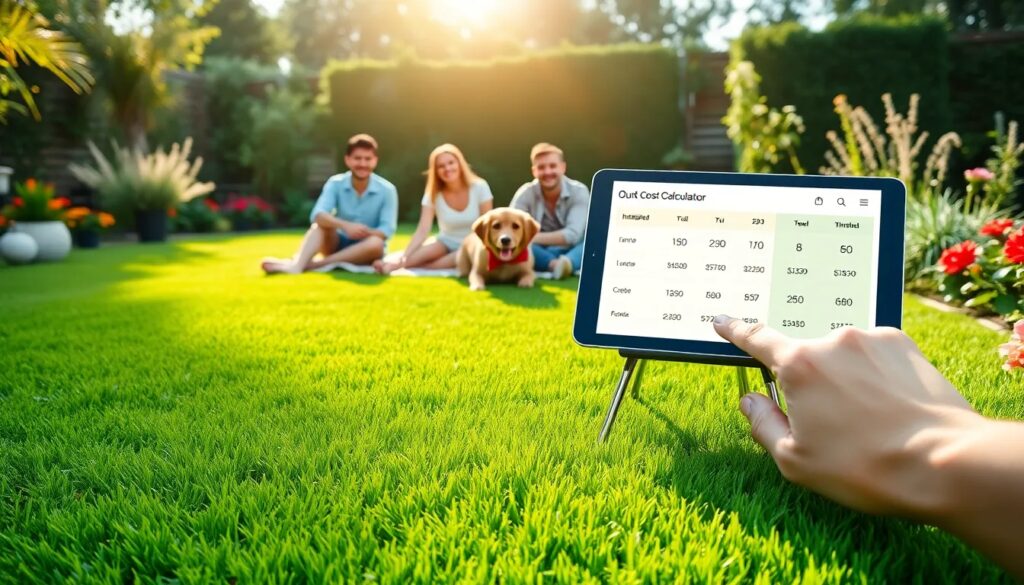
If you're considering making the switch to synthetic turf, understanding the costs involved is crucial. This comprehensive guide provides insights into using an artificial grass cost calculator and factors that influence pricing, helping you make informed decisions for your lawn.
What is an artificial grass cost calculator?
An artificial grass cost calculator is a handy tool designed to help homeowners estimate the expenses associated with installing synthetic turf. By inputting specific parameters such as area size and turf type, users can receive a ballpark figure for their projects. This tool simplifies the budgeting process, giving potential buyers a clearer picture of what to expect financially.
Typically, these calculators consider several factors, including the cost of materials, installation fees, and any additional features you might want. Knowing these details upfront can save you a lot of stress later on when unexpected costs arise.
Moreover, many online calculators are user-friendly and provide instant quotes, allowing you to make quick comparisons between different turf options. It's an essential first step for anyone looking to transition to a synthetic lawn.
How is the cost of artificial grass installation determined?
The overall cost of installing artificial grass varies significantly depending on several key factors. Initially, the size of the area being covered plays a crucial role. Larger projects tend to have lower per square foot costs, while smaller areas might cost more due to minimum installation fees.
Another factor is the quality of the turf itself. Higher quality products, often characterized by features such as a greater face weight and pile height, will naturally cost more. Additionally, if you opt for specialized options—like carpets designed for sports or pet-friendly turf—the price may fluctuate further.
- Area size: Larger areas reduce costs per square foot.
- Turf quality: Better materials cost more.
- Installation type: Professional services vs. DIY.
- Site preparation: Additional costs for leveling and drainage.
Lastly, additional features like drainage systems, weed barriers, and infill materials can also contribute to the total expenditure. Therefore, it’s essential to factor in these variables when planning your budget.
What factors affect the price of artificial grass per square foot?
Several factors influence the price of artificial grass per square foot. The quality of the materials is paramount. Turf with a higher face weight and denser pile tends to be more expensive due to its durability and lifelike appearance.
The type of grass you choose also impacts pricing. For example, there are specialty turfs for pet areas or sports fields, which are often priced higher than standard residential turf. Furthermore, geographical location can affect pricing due to differences in shipping costs and local labor rates.
- Material quality: Higher face weight and density increase costs.
- Type of turf: Specialty options like pet or sports turf are pricier.
- Location: Regional pricing variations can influence overall costs.
- Installation complexity: More intricate setups require skilled labor.
Additionally, the complexity of the installation site, such as slopes or existing landscaping features, can lead to increased labor costs, further raising the price per square foot.
How much should you expect to pay for 1000 square feet of artificial grass?
When budgeting for a 1000 square foot area, homeowners can expect to pay an estimated range between $8 to $11 per square foot. Thus, the total cost for synthetic turf installation in such a space can range approximately between $8,000 and $11,000, depending on the factors discussed earlier.
This estimate includes both the cost of materials and professional installation. For example, if you choose higher-end turf, the costs could skew toward the upper end of that range. Conversely, opting for a more economical option could reduce expenses.
It’s also important to consider additional costs associated with site preparation, which can add several hundred dollars to the final total. Therefore, evaluating these elements during the planning phase is essential for accurate budgeting.
Is DIY installation a cost-effective option for artificial grass?
Many homeowners consider DIY installation as a cost-effective option for artificial grass, and it can be if performed correctly. By handling the installation yourself, labor costs can be eliminated, making the project significantly less expensive.
However, it's crucial to weigh the pros and cons. A DIY approach requires a certain level of skill and knowledge in site preparation, which is vital for ensuring that the grass lays properly and lasts long.
Here are some factors to consider:
- Skill level: If you have experience, DIY can save money.
- Time commitment: DIY installations can take longer than expected.
- Initial costs: You'll need to invest in tools and materials.
In some cases, hiring professionals may provide better long-term value, as they guarantee quality installation which can prevent costly repairs in the future.
How can you get a personalized quote for your artificial grass project?
Obtaining a personalized quote for your artificial grass project is an essential step in the planning process. Many companies offer free consultations where they assess your specific needs and provide detailed estimates based on the factors discussed.
To get started, consider reaching out to multiple suppliers and installers. Provide them with information about your project, including the size of the area, desired turf quality, and any specific features you want. This information allows them to generate accurate and tailored quotes.
Additionally, some companies provide online tools or calculators that allow you to input your details and receive an estimated cost. This can be a helpful first step before engaging directly with a professional.
What are the common mistakes in calculating artificial grass costs?
When calculating costs for artificial grass, there are several common mistakes that homeowners often make. First, underestimating the size of the area can lead to significant discrepancies in budgeting. It's essential to measure accurately and account for all sections, including irregular shapes.
Another mistake is overlooking additional expenses associated with installation, such as site preparation, drainage, or disposal of old materials. These costs can add up quickly, affecting your overall budget.
- Inaccurate measurements: Double-check all dimensions before budgeting.
- Ignoring additional costs: Include all installation-related expenses.
- Focusing only on material costs: Labor and preparation are significant factors.
Lastly, failing to consider different turf options can limit your understanding of potential savings. Researching various types of synthetic grass can help you find a solution that fits your budget and needs.
Related Questions about artificial grass costs
How much is 1000 square feet of fake grass?
The cost for 1000 square feet of artificial grass can range between $8,000 and $11,000, depending on the quality of the turf and the specifics of the installation process. This price typically includes both materials and labor.
How much will it cost to lay artificial grass?
The total cost for laying artificial grass varies significantly based on factors such as the size of the area, turf quality, and installation method. On average, expect to pay between $8 to $11 per square foot.
Is artificial grass worth the money?
Many homeowners find that artificial grass is worth the initial investment due to its low maintenance needs and long lifespan. It can save money in the long run on watering and lawn care, making it a valuable option for many.
How much is 200 square feet of turf?
For an area of 200 square feet, you can expect to pay approximately between $1,600 and $2,200 for artificial grass installation, depending on the specific turf quality and any additional features required.